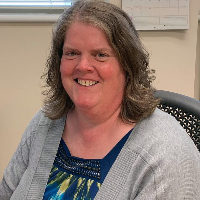
About Lori
Lori Cheek Gilroy is a Licensed Clinical Social Worker (LCSW) in Illinois with 26 years of experience. She aims to help people who are dealing with stress, anxiety, depression, grief, parenting strain, and life transitions. Lori emphasizes a respectful, compassionate way of working so people feel heard and understood from the start.
Her background includes practice in child welfare, family counseling, a family birthing center, crisis intervention, and community mental health.
Background and approach
This variety gives her practical experience with trauma, caregiver stress, chronic illness, and mood-related concerns. She combines that experience with a client-centered focus that looks at mind, body, and spirit. Lori uses several straightforward approaches in sessions.
Cognitive Behavioral Therapy helps identify unhelpful thoughts and build different habits. Solution-Focused Therapy keeps work goal-oriented and practical. Motivational Interviewing supports making changes at a comfortable pace.
She also brings trauma-focused work into therapy when past events are getting in the way of day-to-day life. Lori explains options clearly so people know what to expect and can make choices that fit their values. Her Christian perspective informs her values, but she describes the work in ways that respect each person’s beliefs.
People who want guidance on career concerns, communication problems, or caregiving stress will find concrete tools and simple steps to try between sessions. Lori prefers to work together on realistic goals and regular check-ins about progress and challenges.
How Lori’s Approaches Translate to Online Sessions
Client-centered therapy focuses on listening closely and following the person’s lead. In practice this means sessions start by asking what matters most and then shaping conversations around the client’s priorities. Cognitive Behavioral Therapy (CBT) helps people notice thought patterns that add to anxiety or low mood and then test small behavior changes to see what helps. Motivational Interviewing is a gentle way of exploring readiness for change and building on small wins.Choosing an approach is a team effort. Lori will talk with each person about goals, preferences, and past experiences. Together they decide which methods to try and adjust the plan over time based on what is working. This keeps the work practical and tailored rather than one-size-fits-all.
Online formats offer flexibility for busy lives. Video calls let people use visual cues and longer conversational work. Phone sessions can fit a break at work or be a simpler option when bandwidth is limited. Live chat or text messaging provide short check-ins, quick problem-solving, or reminders about new skills between full sessions. These options help make steady progress while fitting therapy into daily routines.
Questions people ask
What kinds of concerns does Lori address?
How would Lori describe her therapy style?
What is her professional background?
What credential does she hold and where does she practice?
Can sessions be held in languages other than English?
What session formats are available?
How are fees and payment handled?
How do I begin working with Lori?
What this therapist works with
Most often
Also listed
- Adoption and foster care
- Aging and geriatric issues
- Anger management
- Career difficulties
- Caregiver issues and stress
- Chronic pain, illness, and disability
- Coaching
- Communication problems
- Compassion fatigue
- Coping with life changes
- Coping with natural or human-caused disaster
- Emptiness
- Family conflicts
- Family of origin issues
- Forgiveness
- Grief
- Guilt and shame
- Isolation / loneliness
- Life purpose
- Mood disorders
- Parenting issues
- Post-traumatic stress
- Relationship issues
- Social anxiety and phobia
- Trauma and abuse
- Veteran and Armed Forces Issues
- Women's issues
- Workplace issues
- Young adult issues
Therapeutic approaches
- Experience
- 26 years
- Licensed
- Illinois
- Languages
- English
We will earn a commission if you sign up through our link, at no cost to you.