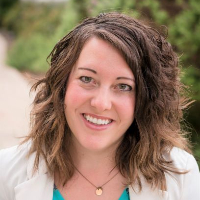
About Laura
Laura Edmonds is a Licensed Professional Counselor (LPC) based in Texas who focuses on helping people manage anxiety and stress. She writes and talks in a straightforward way that aims to make next steps feel manageable for a worried parent or someone in the middle of change. Laura uses plain, practical tools to address how thoughts affect moods and behavior.
She helps people build coping skills, change unhelpful thought patterns, and improve communication.
Background and approach
Sessions are collaborative and centered on the client’s goals. Her approach combines client-centered listening with cognitive-behavioral techniques and motivational interviewing. That means sessions include active listening, goal-setting, and concrete strategies to try between meetings.
When trauma or addiction issues come up, she draws on trauma-focused methods and experience with substance-related concerns. Laura emphasizes small, achievable steps. People who feel overwhelmed by anxiety, grief, relationship strain, body image concerns, or major life shifts often start by setting one or two immediate goals.
From there they work on thought patterns, problem-solving, and practical changes that fit daily life. With three years of counseling experience, she frames therapy as a teamwork process. Clients set the pace and priorities, and she helps track progress and adjust techniques over time.
Sessions are offered in formats that match different schedules and needs.
Approaches that translate well to online care
Client-centered therapy focuses on listening and understanding the client’s priorities, helping them set goals and move at their own pace. Cognitive Behavioral Therapy, or CBT, looks at how thoughts influence feelings and behaviors and teaches practical exercises to change unhelpful patterns; it is often useful for anxiety, panic, and mood concerns. Motivational interviewing is a gentle, goal-oriented method that builds motivation for change and works well when people are unsure about next steps.Finding the right approach is part of the work. The therapist will collaborate with each person to choose methods that fit their goals and preferences, adjust techniques as progress is made, and try different strategies when needed. This keeps sessions focused and tailored to what helps most.
Online formats include video calls, phone sessions, live chat, and text-based messaging. Video meetings support face-to-face conversation and visual cues. Phone sessions are handy when bandwidth is limited or a shorter check-in is needed. Live chat and text allow brief check-ins, homework reminders, or ongoing support between longer sessions. These options give flexibility for busy schedules and make it easier to maintain consistency in care.
Questions people ask
What concerns does she help with?
What is her therapeutic style like?
What is her background in counseling?
What are her credentials and where is she located?
Can sessions be conducted in other languages or internationally?
What session formats does she use?
How does cost and billing work?
How do I begin working with her?
What this therapist works with
Also listed
- Anger management
- Bipolar disorder
- Body image
- Career difficulties
- Codependency
- Communication problems
- Compassion fatigue
- Coping with life changes
- Dependent personality
- Depression
- Drug and alcohol addiction
- Eating and food-related issues
- Eating disorders
- Family conflicts
- Family of origin issues
- Family problems
- Forgiveness
- Grief
- Guilt and shame
- Intimacy-related issues
- Jealousy
- Mood disorders
- Panic disorder and panic attacks
- Parenting issues
- Post-traumatic stress
- Postpartum depression
- Relationship issues
- Seasonal Affective Disorder (SAD)
- Self esteem
- Sexual assault and abuse
- Social anxiety and phobia
- Women's issues
- Young adult issues
Therapeutic approaches
- Experience
- 3 years
- Licensed
- Texas
- Languages
- English
We will earn a commission if you sign up through our link, at no cost to you.