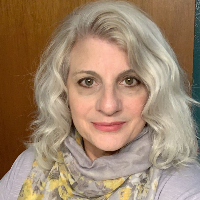
About Laura
Laura Brum is a Licensed Professional Counselor (LPC) with ten years of experience. She helps people who are struggling with anxiety, depression, trauma, relationship strain, parenting challenges, and other stressful life changes. Her manner is warm and down-to-earth, and she focuses on practical steps that can make daily life easier.
She uses simple, proven methods in session. Conversations are interactive and respectful. She avoids stigmatizing labels and looks for strengths to build on.
Background and approach
Sessions are aimed at helping people move forward, not just rehash the past. Laura blends several approaches to fit each person's needs. She draws on cognitive behavioral ideas to change unhelpful thoughts and behaviors.
She uses client-centered listening to help people feel heard and understood. When trauma is present, she may use EMDR techniques alongside mindfulness and dialectical strategies. Her work has included people coping with grief, anger, bipolar and mood disorders, OCD symptoms, panic attacks, postpartum mood concerns, and chronic illness or pain.
She also supports those facing issues around sexuality, identity, isolation, and self-esteem. Laura trained and practiced in rural Oregon settings, where she gained experience with a wide variety of life circumstances. She emphasizes collaboration, clear goals, and practical skills you can use between sessions.
If someone is ready to take a step toward change, she aims to offer steady support and realistic tools.
Therapeutic approaches and online care
Laura commonly uses cognitive behavioral therapy to help people notice and change patterns of thought and behavior that fuel anxiety or depression. CBT focuses on small, practical experiments and skill-building to make daily life feel more manageable.She also draws on client-centered therapy, which centers on listening and understanding so clients feel accepted while they find their own solutions. For people who have experienced trauma, she may incorporate Eye Movement Desensitization and Reprocessing, a method aimed at reducing the intensity of traumatic memories and their emotional charge.
Choosing the right approach is a collaborative process. The therapist will talk with each person about goals, preferences, and what has or hasn't helped before. Together they decide which techniques to try first and adjust the plan over time based on progress and feedback.
Online therapy makes these approaches accessible through video calls, phone sessions, live chat, or text-based messaging. Video is useful for face-to-face conversation and skill practice, phone calls work well when less bandwidth is needed, and messaging supports brief check-ins or ongoing daily skills work. This flexibility helps people fit therapy into busy schedules and keeps continuity when life gets in the way.
Questions people ask
What kinds of concerns does she address?
What is her approach in sessions?
How much clinical experience does she have?
What are her credentials and where is she based?
What languages are sessions offered in?
Which session formats are available?
How is cost handled for sessions?
How do I get started with therapy?
What this therapist works with
Most often
- Trauma and abuse
- Grief
- Anger management
Also listed
- ADHD
- Attachment issues
- Bipolar disorder
- Career difficulties
- Chronic pain, illness, and disability
- Communication problems
- Control issues
- Coping with life changes
- Depression
- Family conflicts
- Forgiveness
- Intimacy-related issues
- Isolation / loneliness
- LGBT
- Mood disorders
- Obsessions, compulsions, and OCD
- Panic disorder and panic attacks
- Parenting issues
- Post-traumatic stress
- Postpartum depression
- Relationship issues
- Seasonal Affective Disorder (SAD)
- Self esteem
- Self-love
- Sexuality
- Social anxiety and phobia
- Stress, Anxiety
Therapeutic approaches
- Experience
- 10 years
- Licensed
- Colorado, Oregon
- Languages
- English
We will earn a commission if you sign up through our link, at no cost to you.