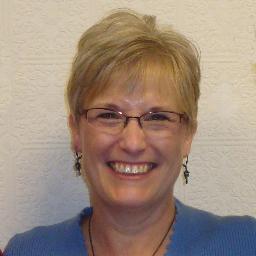
About Karen
Karen Bludorn is a Licensed Clinical Social Worker with 14 years of experience. She provides individual counseling and focuses on practical steps people can use to feel steadier. Karen works from Arizona and conducts sessions in English.
Her approach draws on client-centered care and evidence-informed techniques. Sessions typically address stress, anxiety, mood concerns, substance use, and effects of past trauma. She helps people name troubling thoughts and try new ways of responding to them.
Background and approach
She blends cognitive behavioral strategies with dialectical skills and acceptance-based ideas. That mix is used to reduce unhelpful thinking, manage intense feelings, and build day-to-day coping. Mindfulness and trauma-aware practices are added when they fit a person's needs.
Karen also pays attention to physical, social, and spiritual factors that affect well-being. Conversations include goals for relationships, parenting pressures, grief, and life transitions. She supports people working through identity questions and self-esteem struggles.
Practical tools and short-term strategies are balanced with deeper work on attachment and long-standing patterns. The aim is to help people feel more in control of reactions and to choose actions aligned with their values. Sessions use clear, respectful language and focus on what will help next week, not just theory.
How therapeutic approaches guide online care
Acceptance and Commitment Therapy (ACT) focuses on helping people notice difficult thoughts and feelings without letting them dictate action, and then choose behaviors that match their values; it can help with anxiety, avoidance, and making purposeful changes. Cognitive Behavioral Therapy (CBT) breaks down harmful thinking and behavior patterns into manageable parts so people can test new responses and reduce anxiety and depression symptoms. Dialectical Behavior Therapy (DBT) adds practical skills for managing intense emotions, improving distress tolerance, and handling relationship conflicts.Picking the right approach is a collaborative process. The therapist and client talk about goals, try techniques, and adjust the plan over time. Karen will help identify which methods fit a person’s needs and preferences and will combine approaches when that makes sense.
Online therapy offers flexible ways to work together. Video calls allow face-to-face conversation and visual cues. Phone sessions require less bandwidth and can fit a break at work. Live chat or text messaging supports quick check-ins, homework review, or shorter exchanges between appointments. These options make it easier to keep continuity of care and to choose the format that fits daily life.
Questions people ask
What kinds of concerns does Karen address?
What is her therapy style like?
How much experience does she have?
What are her credentials and where is she located?
Which languages are offered for sessions?
What session formats are available?
How does billing or cost work?
How do I begin working with her?
What this therapist works with
Also listed
- Aging and geriatric issues
- Anger management
- Attachment issues
- Bipolar disorder
- Chronic pain, illness, and disability
- Communication problems
- Control issues
- Coping with life changes
- Depression
- Domestic violence
- Drug and alcohol addiction
- Family conflicts
- Family of origin issues
- Forgiveness
- Grief
- Guilt and shame
- Intimacy-related issues
- Life purpose
- Mood disorders
- Panic disorder and panic attacks
- Parenting issues
- Personality disorders
- Post-traumatic stress
- Process addiction (porn, exercise, gambling)
- Relationship issues
- Seasonal Affective Disorder (SAD)
- Self esteem
- Social anxiety and phobia
- Women's issues
- Young adult issues
Therapeutic approaches
- Experience
- 14 years
- Licensed
- Arizona, Utah
- Languages
- English
We will earn a commission if you sign up through our link, at no cost to you.