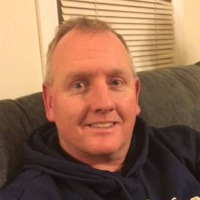
About John
John White is a Licensed Clinical Social Worker with two decades of experience. He focuses on helping people manage stress, anxiety, and the lasting effects of trauma. He often supports men dealing with issues such as self-worth, fatherhood, loneliness, and anger.
He draws on straightforward conversation and practical steps. Sessions start by looking at where someone is now and what matters most to them. From there he and the client choose skills and strategies to try in daily life.
Background and approach
John served in the Army as a Combat Stress Control specialist and has long experience with veterans and first responder concerns. That background shaped his preference for direct, goal-focused work alongside deeper emotional exploration. He uses methods that include acceptance and commitment ideas, cognitive behavioral techniques, and mindfulness practices.
People can expect honest listening and a down-to-earth style. He combines problem-solving with attention to feelings. That means learning tools for coping while also naming hopes and setbacks.
In sessions he uses a mix of talking, skill practice, and gentle challenge to help people move forward. He helps clients address sleep problems, relationship strains, addiction concerns, career transitions, grief, and parenting stresses. His aim is to help people find workable next steps and clearer direction.
Approaches for online anxiety and trauma work
Acceptance and Commitment Therapy (ACT) focuses on noticing thoughts and values, then taking actions that align with what matters most. It can help people who feel stuck by clarifying goals and reducing avoidance. Cognitive Behavioral Therapy (CBT) looks at the link between thoughts, feelings, and actions and teaches practical skills to shift unhelpful patterns. It is often used for anxiety, depression, and sleep issues. Mindfulness Therapy teaches simple attention and breathing practices to reduce reactivity and steady attention during stressful moments.Choosing the right approach is part of the work together. The therapist will collaborate with the client to identify goals, try methods, and adjust plans based on what is helpful. That means starting with a shared plan and changing course when needed rather than assuming one method fits every person.
Online sessions make it easier to fit therapy into a busy life. Video calls allow face-to-face conversation and visual cues. Phone sessions can be a good option when video is difficult or bandwidth is low. Live chat and text-based messaging work well for brief check-ins, skill coaching, or when someone prefers writing between sessions. These options offer flexibility for people balancing work, parenting, or irregular schedules.
Questions people ask
What concerns does he help with?
What is his therapeutic style?
How much experience does he have?
Where is he licensed and based?
Which languages are available for sessions?
Are international clients supported?
What session formats are offered?
How does billing and getting started work?
What this therapist works with
Most often
- Stress, Anxiety
- Trauma and abuse
- Anger management
Also listed
- Addictions
- Avoidant personality
- Career difficulties
- Co-morbidity
- Coaching
- Communication problems
- Compassion fatigue
- Coping with life changes
- Coping with natural or human-caused disaster
- Depression
- Divorce and separation
- Emptiness
- Family conflicts
- Family problems
- Fatherhood issues
- First responder issues
- Forgiveness
- Grief
- Guilt and shame
- Infidelity
- Intimacy-related issues
- Isolation / loneliness
- Life purpose
- Men's issues
- Midlife crisis
- Money and financial issues
- Parenting issues
- Post-traumatic stress
- Relationship issues
- Self esteem
- Self-love
- Sexuality
- Sleeping disorders
- Veteran and Armed Forces Issues
- Workplace issues
Therapeutic approaches
- Experience
- 20 years
- Licensed
- Wisconsin, Connecticut, Maine, Massachusetts
- Languages
- English
We will earn a commission if you sign up through our link, at no cost to you.