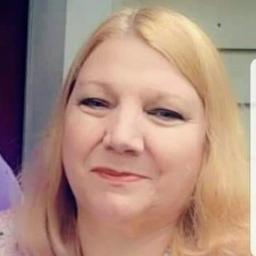
About Jeanne
Jeanne Tilseth is a Licensed Clinical Professional Counselor (LCPC) who focuses on anxiety and stress alongside related concerns. She brings 15 years of clinical experience and works with adults on depression, self-esteem, trauma, and substance use issues. Jeanne uses clear, practical methods so people can make steady progress.
She begins by listening without judgment to understand each person's main struggles. Then she uses therapy methods that match the situation and the person's goals.
Background and approach
Sessions aim to build coping skills and reduce overwhelming thoughts and feelings. Jeanne commonly draws on cognitive behavioral techniques to help people change thought patterns that feed anxiety and panic. She also uses dialectical behavior approaches to teach emotion regulation and distress tolerance skills.
Eye Movement Desensitization and Reprocessing can be part of work for people coping with past trauma. The approach is collaborative and paced to what the person can handle. Jeanne emphasizes practical steps - breathing skills, grounding techniques, behavior experiments, and emotion management strategies.
She also attends to issues like shame, guilt, and family of origin patterns when they come up. Sessions may include brief skills coaching, longer trauma processing, or guidance for managing cravings and relapse risks. Jeanne aims to help people feel more steady, more able to manage daily demands, and more connected to their goals and values.
Therapeutic approaches used in online care
Jeanne commonly uses Cognitive Behavioral Therapy (CBT) to help people identify and change unhelpful thoughts and behaviors that fuel anxiety and depression. CBT often includes simple homework and behavior experiments to test new ways of coping.She also draws on Dialectical Behavior Therapy (DBT) skills to teach emotion regulation, distress tolerance, and interpersonal effectiveness. DBT skills are practical tools for managing intense feelings and reducing impulsive reactions.
Eye Movement Desensitization and Reprocessing (EMDR) may be offered for people processing traumatic memories; this approach works through memory-focused procedures to reduce the intensity of distress tied to past events.
Finding the right approach is part of the work together. The therapist will discuss options, try techniques, and adjust based on the person's needs, goals, and preferences to find the best fit in collaboration.
Online sessions are offered as video calls, phone sessions, live chat, or text-based messaging to make therapy more flexible. Video is useful for in-depth sessions and skill coaching while phone calls need less bandwidth and can fit into breaks. Live chat or text messaging can be used for shorter check-ins, coping reminders, or when writing feels easier than talking. These formats help people fit therapy into busy lives and stay consistent with care.
Questions people ask
What concerns does she address?
What is her therapy style like?
How much clinical experience does she have?
What are her credentials and where is she located?
Can I work with her in other languages or from outside the U.S.?
What session formats are available?
How does cost and payment work?
How do I begin working with her?
What this therapist works with
Also listed
Therapeutic approaches
- Experience
- 15 years
- Licensed
- Illinois
- Languages
- English
We will earn a commission if you sign up through our link, at no cost to you.