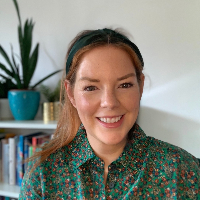
About Emma
Emma James is a counsellor who helps people dealing with stress, anxiety and low mood. She works with relationship difficulties, trauma and abuse, and concerns such as addiction, grief and self-esteem. Emma also supports people facing sleep or eating problems, parenting strain, and life changes like divorce or career stress.
She uses a calm, impartial approach in sessions. Emma trained in psychology and completed the British Association for Counselling and Psychotherapy accredited diploma and advanced diploma.
Background and approach
She is a Professional Accredited Member of the BACP and has around ten years of practice experience. In sessions she offers a listening space to look at what keeps problems happening. Conversations can focus on past experiences and how they affect current relationships, or on practical steps to manage panic, anger or unhelpful habits.
She also uses EMDR and trauma-focused methods where appropriate for distress linked to traumatic memories. Emma has worked in independent practice and in NHS wellbeing services offering short-term counselling. She aims to help people spot patterns, build coping strategies and find clearer choices when life feels stuck.
Sessions are offered in English and available by a variety of online formats. People usually begin with a short matching process and then schedule sessions that suit their needs. Emma explains how therapy might help and works collaboratively to agree on goals and the best way to approach them.
How her methods translate to online therapy
Attachment-Based Therapy focuses on how early relationships shape current connections. It helps people understand patterns in intimacy and communication and can be useful for relationship stress and attachment concerns.Client-Centred Therapy is about listening and reflecting rather than directing. This approach helps people feel heard while they clarify values, build self-esteem and decide on next steps for issues like anxiety or career uncertainty.
Emma treats the choice of approach as a collaborative process. She will work with each person to decide which methods fit their history, goals and preferences. Adjustments can be made as therapy unfolds so the work stays relevant to what the client needs.
Online therapy offers practical flexibility. Video calls allow face-to-face conversation for in-depth work, while phone sessions can be easier when bandwidth is limited. Live chat and text messaging suit short check-ins, ongoing coaching or those who prefer typing to speaking. These options make it simpler to fit therapy into a busy life and to keep continuity between sessions.
Questions people ask
What concerns can Emma help with?
How does she work in sessions?
What is her background and experience?
What credentials does she hold and where is she based?
Which languages are supported?
Are sessions available for international clients?
What session formats are offered?
How does the cost and booking work?
What this therapist works with
Most often
- Stress, Anxiety
- Relationship issues
- Family conflicts
Also listed
- Abandonment
- Addictions
- ADHD
- Adoption and foster care
- Anger management
- Attachment issues
- Bipolar disorder
- Body image
- Career difficulties
- Coaching
- Communication problems
- Compassion fatigue
- Control issues
- Coping with life changes
- Depression
- Divorce and separation
- Domestic violence
- Eating and food-related issues
- Eating disorders
- Family problems
- Fertility issues
- Grief
- Guilt and shame
- Intimacy-related issues
- Isolation / loneliness
- LGBT
- Life purpose
- Panic disorder and panic attacks
- Parenting issues
- Post-traumatic stress
- Postpartum depression
- Pregnancy and childbirth
- Self esteem
- Self-harm
- Self-love
- Sleeping disorders
- Social anxiety and phobia
- Trauma and abuse
- Trichotillomania
- Women's issues
Therapeutic approaches
- Experience
- 10 years
- Licensed
- Languages
- English
We will earn a commission if you sign up through our link, at no cost to you.