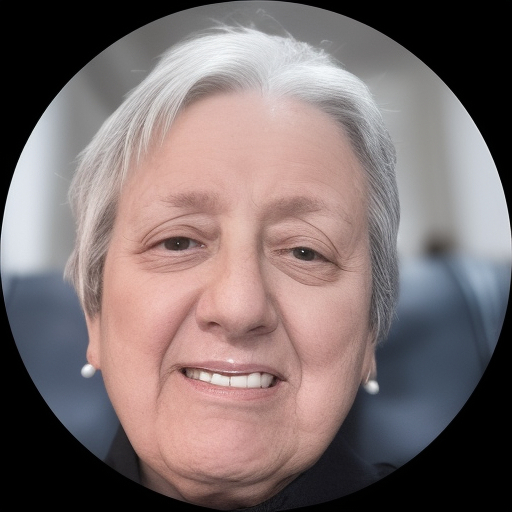
About Devona
Devona (Dee) Head is a Licensed Mental Health Counselor (LMHC) based in Indiana with 30 years of clinical experience. She focuses on helping people who struggle with stress, anxiety, trauma, grief, low self-esteem, and depression. Dee aims to make the first step toward change feel manageable and supported.
Dee works in a straightforward, person-centered way. She invites people to talk about what feels most urgent and listens without judgment. Sessions emphasize practical tools and clear next steps rather than long theory talks.
Background and approach
Her approach blends client-centered work with evidence-informed methods. Cognitive Behavioral Therapy is used to spot and shift unhelpful thinking patterns. Trauma-focused and mindfulness strategies help when past events or chronic worry get in the way of daily life.
People who reach out often want relief from ongoing stress, recovery from abusive relationships, or help processing loss. Dee also addresses issues like caregiver strain, family of origin concerns, chronic illness, and guilt or shame. She helps clients build coping skills that fit their daily routines.
Dee encourages a collaborative pace. She helps set goals, check progress, and adjust strategies as needed. Her goal is to help people move toward more steadiness and clearer choices in their lives.
Approaches that fit online work and daily life
Client-Centered Therapy focuses on listening and building a trusting relationship. The therapist follows the client’s lead and helps people clarify what they want to change and why, which supports work on anxiety and self-esteem. Cognitive Behavioral Therapy (CBT) teaches practical skills to notice and change unhelpful thoughts and behaviors, which can reduce persistent worry and improve mood. Mindfulness Therapy helps people learn simple attention and breathing practices to lessen reactivity and ground themselves during stressful moments. Finding the right approach is part of the process. The therapist will talk with the client about their goals and preferences, try methods that seem to fit, and adjust the plan together. That collaborative process helps match tools to the person’s daily life and what they want to achieve. Online formats make it easier to fit therapy into a busy schedule. Video calls let people see facial cues and use visual materials. Phone sessions work well when bandwidth is limited or when someone prefers not to be on camera. Live chat and text-based messaging allow shorter check-ins, ongoing reflection between sessions, and flexibility around work or caregiving demands. These options support continuity of care and practical problem solving from wherever a person is able to connect.Questions people ask
What kinds of concerns does she help with?
How would you describe her therapeutic style?
How much experience does she bring?
Where is she licensed and based?
Which languages are sessions offered in?
What session formats are available?
How are fees and payment structured?
How do I begin working with her?
What this therapist works with
Most often
Also listed
- Abandonment
- Aging and geriatric issues
- Blended family issues
- Caregiver issues and stress
- Chronic pain, illness, and disability
- Codependency
- Communication problems
- Control issues
- Coping with natural or human-caused disaster
- Depression
- Domestic violence
- Emptiness
- Family of origin issues
- First responder issues
- Forgiveness
- Guilt and shame
- Hospice and end-of-life counseling
- Infidelity
- Isolation / loneliness
- Narcissism
- Panic disorder and panic attacks
- Post-traumatic stress
- Seasonal Affective Disorder (SAD)
- Self esteem
- Sexual assault and abuse
- Social anxiety and phobia
- Veteran and Armed Forces Issues
- Women's issues
- Workplace issues
- Young adult issues
Therapeutic approaches
- Experience
- 30 years
- Licensed
- Indiana
- Languages
- English
We will earn a commission if you sign up through our link, at no cost to you.