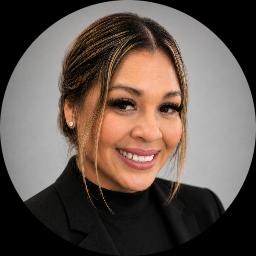
About Desiree
Desiree Alvarado is a Licensed Clinical Social Worker who helps people manage stress, anxiety, depression, and substance use concerns. She supports those coping with trauma, low self-esteem, grief, relationship and intimacy challenges, and sudden life changes. Sessions are conversational and focused on practical steps a person can use between meetings.
She draws on a client-centered approach that keeps the person's goals in the lead. Cognitive Behavioral Therapy is frequently used to identify unhelpful thoughts and shift patterns that feed anxiety or depression.
Background and approach
Dialectical Behavior Therapy skills and mindfulness practices are introduced when emotion regulation and distress tolerance are priorities. Desiree has experience from work in child welfare, domestic violence response, mental health court programs, and substance use settings. She has supported people affected by complex trauma and has worked alongside law enforcement and first responder populations in professional roles.
Her background informs a calm, practical style in sessions. Clients can expect help breaking problems into manageable steps. Desiree focuses on building skills such as coping strategies, communication tools, and relapse prevention methods for addictive behaviors.
She aims for concrete changes that match each person's definition of progress. Desiree holds an LCSW, Licensed Clinical Social Worker, and practices in California. Therapy is offered in English and may use a mix of talk, skills practice, and mindfulness exercises.
The tone in sessions is warm and direct, with attention to safety and realistic goal setting.
Approaches that guide online sessions
Desiree commonly uses Cognitive Behavioral Therapy and Mindfulness Therapy to help people notice and change thought patterns while learning calming practices. CBT breaks worries and behaviors into clear steps so a person can try small experiments and see what helps. Mindfulness Therapy teaches simple attention and breathing practices that reduce reactivity and improve focus.She also brings a Client-Centered Therapy stance that keeps the person's goals central. That means she listens first, then helps choose tools that fit the client's needs. Finding the right approach is collaborative - the therapist and client review what is working and adjust methods together over time.
Online formats include video calls, phone sessions, live chat, and text-based messaging. Video calls allow face-to-face conversation and role play for communication skills. Phone sessions use less bandwidth and can fit a shorter check-in during a break. Live chat or text-based messaging can help when quick prompts, reflections, or ongoing skill practice between sessions are useful. These options offer flexibility for different schedules and communication preferences, while still focusing on concrete steps and skills work.
Questions people ask
What concerns does she address?
What is her therapeutic style like?
What professional background does she bring?
What credentials and location are listed?
Which languages are sessions offered in?
What session formats are available?
How does billing and cost work?
How do I begin working together?
What this therapist works with
Also listed
- Anger management
- Attachment issues
- Bipolar disorder
- Career difficulties
- Codependency
- Communication problems
- Compassion fatigue
- Control issues
- Coping with life changes
- Depression
- Domestic violence
- Drug and alcohol addiction
- First responder issues
- Forgiveness
- Grief
- Guilt and shame
- Impulsivity
- Intimacy-related issues
- Isolation / loneliness
- Mood disorders
- Panic disorder and panic attacks
- Paranoia
- Parenting issues
- Personality disorders
- Phobias
- Post-traumatic stress
- Process addiction (porn, exercise, gambling)
- Relationship issues
- Self esteem
- Self-love
- Social anxiety and phobia
Therapeutic approaches
- Experience
- 4 years
- Licensed
- California, Texas
- Languages
- English
We will earn a commission if you sign up through our link, at no cost to you.