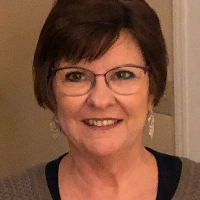
About Debbie
Debbie Esque is a Licensed Clinical Mental Health Counselor practicing in North Carolina. She brings 20 years of experience and a calm, direct manner to sessions. She focuses on helping people manage stress, anxiety, mood shifts, and life transitions.
Debbie aims to build a clear working relationship at the start of therapy. She listens closely to each person’s needs and sets goals together. Her style is warm and caring while also offering straightforward feedback when needed.
Background and approach
She often uses Cognitive Behavioral Therapy, a practical method that looks at thoughts and behaviors that keep problems going. Sessions include talking through patterns, trying new behaviors, and tracking small changes between meetings.
Over two decades she has worked with many different concerns including depression, bipolar mood issues, grief, trauma, ADHD, parenting stress, relationship and intimacy issues, and challenges tied to adoption or blended families. She also supports people facing isolation, life purpose questions, and end-of-life matters.
Debbie describes her role as helping people resolve emotional and behavioral problems so they can lead more satisfying lives. She brings schooling, clinical experience, and personal insight to that work. Many clients appreciate a mix of practical tools and gentle, honest guidance.
Using CBT and Practical Methods Online
Debbie often uses Cognitive Behavioral Therapy in sessions, a method that helps people spot and change unhelpful thoughts and behaviors. CBT is useful for anxiety, mood problems, obsessive thoughts, and coping with life changes by teaching specific skills and small experiments to try between meetings.Her approach is collaborative - she works with each person to find the best techniques for their goals. Together they decide whether CBT or another practical strategy fits the situation, and adjust the plan as progress is made.
Online sessions are available as video calls, phone sessions, live chat, or text-based messaging to make therapy more flexible. Video calls let people use face-to-face conversation when schedules allow. Phone sessions can be shorter check-ins or help when bandwidth is limited. Live chat and text-based messaging support ongoing reflection between meetings and suit people who prefer writing. These options help fit therapy into busy days and different lifestyles.
Questions people ask
What concerns does she address?
How would you describe her therapeutic style?
What is her clinical background?
What credentials and location apply?
In which language are sessions offered?
What session formats are available?
How does cost and billing work?
What are the first steps to begin therapy?
What this therapist works with
Most often
- Stress, Anxiety
- Bipolar disorder
- Depression
Also listed
- ADHD
- Adoption and foster care
- Anger management
- Autism and Asperger Syndrome
- Blended family issues
- Career difficulties
- Communication problems
- Coping with life changes
- Coping with natural or human-caused disaster
- Divorce and separation
- Family conflicts
- Family problems
- Forgiveness
- Grief
- Guilt and shame
- Hospice and end-of-life counseling
- Intimacy-related issues
- Isolation / loneliness
- Life purpose
- Mood disorders
- Obsessions, compulsions, and OCD
- Paranoia
- Parenting issues
- Post-traumatic stress
- Relationship issues
- Seasonal Affective Disorder (SAD)
- Self esteem
- Self-harm
- Self-love
- Social anxiety and phobia
- Trauma and abuse
- Women's issues
Therapeutic approaches
- Experience
- 20 years
- Licensed
- North Carolina, New Jersey, New Hampshire
- Languages
- English
We will earn a commission if you sign up through our link, at no cost to you.