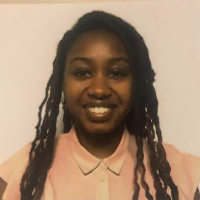
About Deandra
Deandra Hennemann is a Licensed Mental Health Counselor (LMHC) based in Florida with 12 years of clinical experience. She focuses on practical support for stress and anxiety and helps people facing changes at work, parenting challenges, relationship strain, and issues with self-esteem. Her style is personable and interactive, aiming to make sessions feel like a real conversation rather than a lecture.
Deandra draws on client-centered methods to keep the work grounded in each person's values and goals.
Background and approach
She uses cognitive behavioral techniques to identify unhelpful thinking and build new coping skills. For people who have experienced trauma, she applies trauma-informed approaches and may incorporate EMDR where appropriate. Sessions are tailored to the individual.
Deandra listens first, then builds a plan that targets the concerns named by the person who comes in. That plan can include short-term skill building, longer work on patterns such as codependency or attachment issues, or focused work on anger and workplace stress. She also addresses topics like addictions, domestic violence recovery, grief, multicultural stress, and identity-related harm including prejudice and discrimination.
Deandra supports people processing guilt, shame, and the search for life purpose while helping them strengthen self-love and boundaries. Communication is direct but warm. Deandra aims to help people leave sessions with something they can try that week.
Whether the need is coping with change, healing from past hurt, or improving relationships, she focuses on clear steps and steady progress.
How evidence-based approaches translate to online care
Client-Centered Therapy puts the person’s priorities at the center. It focuses on listening, reflecting, and helping people name their goals so sessions match what matters to them. Cognitive Behavioral Therapy (CBT) teaches practical tools to change unhelpful thoughts and behaviors, which can reduce anxiety and improve coping during life changes. Emotionally-Focused Therapy (EFT) helps people understand emotional bonds and how patterns in relationships affect feelings and behavior.Finding the right approach is part of the work. The therapist will collaborate with each person to decide which methods fit their needs and goals. That may mean trying CBT techniques for anxiety, then shifting to client-centered talks or EFT when relationship patterns come up. The process is shared and adjusted as progress is made.
Online formats include video calls, phone sessions, live chat, and text-based messaging, which offer flexibility for busy schedules. Video sessions work well for deeper conversation and EMDR-style trauma work when eye movement methods are used. Phone sessions can be a good fit for shorter check-ins or when bandwidth is limited. Live chat and messaging let people check in between sessions or use written reflection if that feels easier. These options make it simpler to fit therapy into work, parenting, and daily life.
Questions people ask
What concerns does she address?
What is her therapeutic style?
How much clinical experience does she have?
Where is she licensed and based?
Are sessions offered in other languages?
What session formats are available?
How are sessions priced?
How do I begin working with her?
What this therapist works with
Most often
- Stress, Anxiety
- Parenting issues
- Self esteem
Also listed
- Addictions
- Anger management
- Attachment issues
- Career difficulties
- Coaching
- Codependency
- Coping with life changes
- Depression
- Domestic violence
- Family conflicts
- Family problems
- Forgiveness
- Guilt and shame
- Life purpose
- Multicultural concerns
- Narcissism
- Post-traumatic stress
- Prejudice and discrimination
- Relationship issues
- Self-love
- Trauma and abuse
- Traumatic brain injury
- Women's issues
- Workplace issues
- Young adult issues
Therapeutic approaches
- Experience
- 12 years
- Licensed
- Florida
- Languages
- English
We will earn a commission if you sign up through our link, at no cost to you.