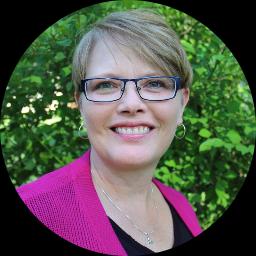
About Darla
Darla Belflower is a licensed social worker with more than two decades of clinical experience. She works with people wrestling with stress, anxiety, addiction, depression, and major life changes. Darla uses straightforward, respectful care to help people find practical ways forward.
She centers sessions on the person in front of her. Darla listens for strengths and hopes, then helps clients set small, manageable goals. She draws on client-centered methods to keep the conversation focused on what matters most to each individual.
Background and approach
Her practice includes work around substance use, caregiving strain, grief, and relationship struggles. She also supports people facing issues tied to gender identity, sexuality, and LGBT concerns. Darla brings experience assisting clients with career questions, self-esteem, and coping during transitions.
Darla blends cognitive behavioral techniques and mindfulness tools to address unhelpful thoughts and reduce anxiety. Motivational interviewing is used when people want to change habits or begin recovery. Sessions emphasize clear strategies that can be tried between meetings.
She holds KS LSCSW and MO LCSW credentials and practices in Missouri. Darla offers several online session formats to fit different needs, and she works with clients to choose an approach and pace that feel right.
How practical approaches meet online therapy
Client-centered therapy focuses on listening and understanding you first. The therapist follows your lead, helps you set goals, and adjusts the pace to match your needs. Cognitive Behavioral Therapy, or CBT, looks at patterns of thought and behavior and teaches skills to change them; it is commonly used for anxiety, depression, and stress. Mindfulness therapy adds simple attention and breathing practices to help reduce reactivity and increase moment-to-moment awareness.Choosing the right approach is part of the work. The therapist will talk with you about your concerns, goals, and preferences and together decide which methods to try. That collaborative planning helps make sessions feel relevant and useful from the start.
Online therapy offers flexible ways to meet. Video calls let you see facial cues and do structured work. Phone sessions are a good option when video is not possible or bandwidth is limited. Live chat and text-based messaging are useful for quick check-ins, brief coaching, or when writing helps you process. These formats make it easier to fit counseling into a busy life and to keep progress between in-person appointments.
Questions people ask
What kinds of concerns does this therapist help with?
What is the general therapy style?
How much clinical experience does she have?
What credentials and location apply?
In which languages are sessions offered?
What session formats are available?
How does cost work for sessions?
How do I get started with this therapist?
What this therapist works with
Most often
Also listed
- Bipolar disorder
- Career difficulties
- Caregiver issues and stress
- Coaching
- Communication problems
- Compassion fatigue
- Coping with life changes
- Depression
- Drug and alcohol addiction
- Family conflicts
- Family problems
- Forgiveness
- Gender dysphoria
- Grief
- Guilt and shame
- HIV / AIDS
- Hospice and end-of-life counseling
- Life purpose
- Polyamory / non-monogamous relationships
- Relationship issues
- Seasonal Affective Disorder (SAD)
- Self esteem
- Sexuality
- Women's issues
Therapeutic approaches
- Experience
- 22 years
- Licensed
- Missouri, Kansas
- Languages
- English
We will earn a commission if you sign up through our link, at no cost to you.