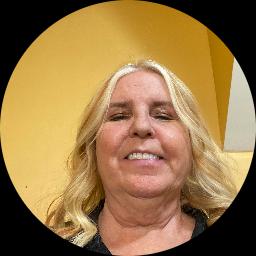
About Dana
Dana Andersen is a licensed professional counselor with more than 15 years of clinical experience. She focuses on helping people who feel overwhelmed by stress, anxiety, grief, depression, trauma, and major life changes. Dana speaks plainly and creates a calm space where clients can begin to sort through what matters most.
Her approach treats each person as the expert on their own life. Sessions aim to identify strengths and practical steps clients can try between meetings.
Background and approach
Dana uses straightforward tools to reduce symptoms and build coping skills that fit everyday routines. She draws on several well-known methods, including Acceptance and Commitment Therapy and Cognitive Behavioral Therapy, alongside client-centered and emotionally-focused work. These approaches are used to help clients change unhelpful patterns, clarify values, and improve emotional awareness.
Dana also brings solution-focused ideas to sessions to help people set tangible short-term goals. Over time she helps clients connect those small wins to larger changes they want to make. The work is collaborative and paced to each person’s needs.
Her practice is based in Minnesota and conversations are held in English. Dana encourages people who are ready for a practical, compassionate approach to take the first step and complete a short matching questionnaire to begin.
Therapeutic approaches that work well online
Acceptance and Commitment Therapy (ACT) helps people clarify what matters most and take small steps toward those values even when uncomfortable feelings appear. It is useful for anxiety, worry, and life transitions. Cognitive Behavioral Therapy (CBT) focuses on identifying unhelpful thoughts and testing new ways of thinking and behaving to reduce symptoms like panic or low mood. Client-Centered Therapy centers the client's experience and uses reflective listening to strengthen self-understanding and self-guided change.Dana treats finding the right approach as part of the work. She collaborates with each person to decide which methods to try first and adjusts the plan as goals and needs evolve. That shared decision-making helps clients feel more in control of their progress.
Online therapy offers practical flexibility. Video calls let people use visual cues and practice skills in real time. Phone sessions work well when bandwidth is limited or when someone prefers not to be on camera. Live chat or text-based messaging supports short check-ins, quick skill practice, or ongoing support between longer sessions. These options make it easier to fit therapy into a busy life and keep momentum between meetings.
Questions people ask
What concerns does Dana commonly address?
What is her therapeutic style like?
How much clinical experience does she have?
What credentials and regional licenses does she hold?
Which languages are supported in sessions?
What session formats are available?
How does billing and cost work?
How do I begin working with Dana?
What this therapist works with
Most often
Also listed
- Abandonment
- Cancer
- Caregiver issues and stress
- Chronic pain, illness, and disability
- Codependency
- Commitment issues
- Communication problems
- Coping with life changes
- Depression
- Emptiness
- Family problems
- Fatherhood issues
- Forgiveness
- Guilt and shame
- Hospice and end-of-life counseling
- Isolation / loneliness
- Jealousy
- Mood disorders
- Narcissism
- Obsessions, compulsions, and OCD
- Panic disorder and panic attacks
- Phobias
- Post-traumatic stress
- Process addiction (porn, exercise, gambling)
- Self-harm
- Sex addiction
- Social anxiety and phobia
Therapeutic approaches
- Experience
- 15 years
- Licensed
- Minnesota, Arizona
- Languages
- English
We will earn a commission if you sign up through our link, at no cost to you.