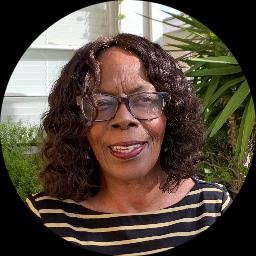
About Cynthia
Cynthia Luellen is a licensed clinical social worker with 20 years of experience helping people manage stress, anxiety, depression, and trauma. She focuses on practical steps that reduce distress and restore daily functioning. Cynthia aims to build a supportive professional relationship so clients feel heard and steady again.
She uses straightforward conversation and empathy to help clients identify strengths. Those strengths become tools for change and for overcoming persistent problems.
Background and approach
Cynthia offers therapy that can be as deep or as focused as the client prefers. Cynthia draws from several approaches to match what each person needs. She blends cognitive behavioral ideas to change unhelpful thinking with attachment-informed work that looks at early relationships.
Her style is collaborative and paced to the client’s comfort level. In sessions she helps people develop specific coping skills for anxiety and stress, and strategies for managing mood and difficult memories. She also addresses relationship patterns, communication problems, and issues like grief, addiction, or caregiver strain.
Practical exercises and goal-focused conversations are common parts of her work. Clients who want to explore how childhood experiences still affect them can do that safely and without pressure. Cynthia also supports people dealing with life transitions, career concerns, and identity matters such as LGBT-related stress.
She aims to help people leave therapy with clearer next steps and usable skills.
Approaches that guide online sessions
Cognitive Behavioral Therapy, or CBT, focuses on spotting unhelpful thoughts and testing them with real-life experiments to reduce anxiety and improve mood. It works well for worry, panic, low mood, and habits that get in the way of daily life.Attachment-Based Therapy looks at how early relationships influence current patterns. It helps people understand why they react a certain way in close relationships and teaches new ways to connect and communicate.
Finding the right approach is part of the work together. Cynthia will discuss goals and preferences and adapt methods based on what helps most. The process is collaborative, so clients can try ideas and adjust the focus as progress is made.
Online therapy offers flexibility in how sessions are held. Video calls allow face-to-face talk; phone sessions work when bandwidth is limited or a camera isn’t wanted. Live chat and text messaging are useful for brief check-ins, homework support, or more frequent contact between sessions. These options make it easier to fit therapy into a busy life and keep momentum between appointments.
Questions people ask
What kinds of problems does she help with?
How would she describe her therapy style?
How much experience does she have?
What are her credentials and where is she located?
What languages are supported and can she work with international clients?
Which session formats are available?
How does payment and cost work?
What are the first steps to begin?
What this therapist works with
Most often
- Stress, Anxiety
- Family conflicts
- Trauma and abuse
Also listed
- Abandonment
- Addictions
- ADHD
- Adoption and foster care
- Aging and geriatric issues
- Anger management
- Attachment issues
- Bipolar disorder
- Blended family issues
- Body image
- Cancer
- Career difficulties
- Caregiver issues and stress
- Coaching
- Codependency
- Commitment issues
- Communication problems
- Compassion fatigue
- Control issues
- Coping with life changes
- Coping with natural or human-caused disaster
- Depression
- Grief
- Intimacy-related issues
- LGBT
- Parenting issues
- Relationship issues
- Self esteem
Therapeutic approaches
- Experience
- 20 years
- Licensed
- California
- Languages
- English
We will earn a commission if you sign up through our link, at no cost to you.