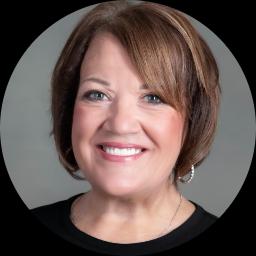
About Connie
Connie Fleming is a Licensed Professional Counselor with thirty years of experience helping people navigate stress and anxiety. She focuses on practical steps clients can use to manage mood, cope with loss, and handle big life changes. Her work emphasizes steady support and clear tools rather than jargon.
Connie offers grief-informed care to help people process loss in its many forms. She also addresses self-esteem struggles, communication problems, and the emotional fallout from relationship and family difficulties.
Background and approach
Sessions tend to be calm and focused on what matters most to the person in front of her. Her approach balances skill-building and emotional exploration. Connie uses methods that help people notice unhelpful thoughts, learn new behaviors, and reconnect with their values.
She will also use techniques to process painful memories when that is helpful. Connie aims for a warm, respectful tone in sessions. She makes space for hard feelings and also for small, practical changes that improve day-to-day life.
The goal is clearer thinking, better coping, and stronger relationships with self and others. People who choose her often want support through transitions such as career shifts, parenting stress, adoption and foster care concerns, or the end of a relationship. Connie combines years of experience with a straightforward style to help clients move forward with more confidence.
Therapeutic approaches and online care
Acceptance and Commitment Therapy, or ACT, helps people clarify what matters to them and take small actions toward those values. It focuses on accepting difficult thoughts and feelings while building a meaningful life. Cognitive Behavioral Therapy, or CBT, looks at how thoughts and behaviors keep problems going and teaches specific techniques to change them. CBT is often used for anxiety and low mood. Emotionally-Focused Therapy centers on emotions and attachment needs in relationships and can help people improve communication and connection.Picking the right approach is part of therapy. The therapist will work together with each person to choose methods that match their goals, preferences, and the problems they bring. That collaborative process allows techniques to be adjusted as needs change over time.
Online sessions are available by video, phone, live chat, or text-based messaging, which makes it easier to fit therapy into a busy life. Video calls let people read facial expressions and tone, phone sessions need less bandwidth, and live chat or messaging can be used for brief check-ins or when typing feels easier. These options offer flexibility so clients can keep therapy consistent while juggling work, parenting, or other daily demands.
Questions people ask
What concerns does Connie address?
How would you describe her therapeutic style?
How much experience does she have?
What credentials and where is she based?
Which languages are supported for sessions?
What session formats does she offer?
How does payment and cost work?
How do I begin working with her?
What this therapist works with
Most often
Also listed
- Abandonment
- ADHD
- Adoption and foster care
- Attachment issues
- Avoidant personality
- Blended family issues
- Career difficulties
- Caregiver issues and stress
- Codependency
- Commitment issues
- Communication problems
- Compassion fatigue
- Coping with life changes
- Depression
- Divorce and separation
- Emptiness
- Family conflicts
- Family of origin issues
- Family problems
- Fatherhood issues
- Forgiveness
- Guilt and shame
- Impulsivity
- Isolation / loneliness
- Life purpose
- Midlife crisis
- Obsessions, compulsions, and OCD
- Parenting issues
- Post-traumatic stress
- Postpartum depression
- Relationship issues
- Self-love
- Social anxiety and phobia
- Women's issues
- Workplace issues
- Young adult issues
Therapeutic approaches
- Experience
- 30 years
- Licensed
- Alabama
- Languages
- English
We will earn a commission if you sign up through our link, at no cost to you.