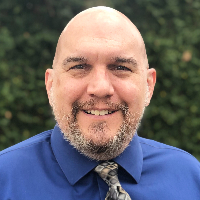
About Cody
Cody Broussard is a licensed professional counselor with eight years of counseling experience. He holds a Master of Arts in Professional Counseling and also earned a Master of Divinity. Cody has a long history in ministry and chaplaincy alongside clinical work, and he combines that background with practical counseling skills.
He focuses on everyday struggles like stress, anxiety, grief, anger, depression, and addiction. He also helps people dealing with relationship and intimacy concerns, self-esteem and career questions, and major life changes.
Background and approach
His practice includes support around adoption and foster care, caregiving and aging issues, chronic illness and pain, and family of origin problems. Cody favors straightforward, person-centered sessions where the client's goals guide the work. He uses Cognitive Behavioral Therapy alongside client-centered and solution-focused methods to map out clear, manageable steps.
Sessions emphasize listening, practical tools, and real-world problem solving rather than abstract theory. People who reach out can expect a respectful, non-judgmental space and a counselor who values vulnerability. Cody describes his role as believing in clients and supporting them through the process.
He aims to tailor each plan to a person’s needs and to help them build coping strategies that fit daily life. His background in ministry and a combat deployment give him experience with intense stress and moral complexity. That history informs how he talks about coping, purpose, and meaning while keeping the work focused on concrete changes and steady progress.
Therapeutic approaches and online care
Cognitive Behavioral Therapy helps identify unhelpful thinking and behavior patterns and replace them with more useful ones. It is often used for anxiety, depression, and stress because it breaks problems into specific thoughts and actions to change.Client-Centered Therapy focuses on the person’s own goals and pace. The therapist listens closely, reflects understanding, and supports people as they decide what changes matter most to them.
Choosing an approach is a collaborative process. The therapist will discuss goals, try techniques, and adjust the plan based on what works best for the individual. That means methods may shift over time to match progress and preferences.
Online sessions are offered by video call, phone, live chat, and text-based messaging to fit different needs. Video is useful for deeper conversations and visual cues, phone calls can be easier when bandwidth is limited, chat is good for brief check-ins, and messaging supports ongoing reflection between sessions. These options make it easier to fit counseling around work, caregiving, or other obligations while maintaining regular contact with a licensed professional.
Questions people ask
What kinds of problems does this counselor address?
What is the general approach in sessions?
How much clinical experience does he have?
What credentials and location apply to this counselor?
In which languages does he offer sessions?
What session formats are available?
How does payment and cost work?
How do I begin therapy with this counselor?
What this therapist works with
Most often
- Stress, Anxiety
- Relationship issues
- Grief
Also listed
- Addictions
- ADHD
- Adoption and foster care
- Aging and geriatric issues
- Anger management
- Blended family issues
- Cancer
- Career difficulties
- Caregiver issues and stress
- Chronic pain, illness, and disability
- Co-morbidity
- Coaching
- Codependency
- Communication problems
- Compassion fatigue
- Control issues
- Coping with life changes
- Dependent personality
- Depression
- Divorce and separation
- Domestic violence
- Emptiness
- Family conflicts
- Family of origin issues
- Family problems
- Fatherhood issues
- Fertility issues
- First responder issues
- Forgiveness
- Guilt and shame
- Impulsivity
- Infidelity
- Intimacy-related issues
- Isolation / loneliness
- Jealousy
- Life purpose
- Men's issues
- Panic disorder and panic attacks
- Post-traumatic stress
- Process addiction (porn, exercise, gambling)
- Seasonal Affective Disorder (SAD)
- Self esteem
- Self-love
- Sexuality
- Social anxiety and phobia
- Veteran and Armed Forces Issues
- Workplace issues
- Young adult issues
Therapeutic approaches
- Experience
- 8 years
- Licensed
- Louisiana
- Languages
- English
We will earn a commission if you sign up through our link, at no cost to you.