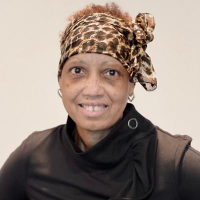
About Cheri
Dr. Cheri Anderson is a Licensed Professional Counselor in Michigan with 28 years of clinical experience. She focuses on anxiety, stress, addictions, relationships, family concerns, and depression.
Her approach is practical and direct, aimed at helping people manage upsetting symptoms and get back to daily life. Clients can expect short, clear conversations about what feels hardest right now. Dr.
Anderson draws on several counseling methods to tailor each session. She listens first, then works with the person to set realistic goals and small steps forward.
Background and approach
In longer-term work she helps people untangle patterns that fuel worry, impulsive behavior, or relationship conflict. She addresses issues such as abandonment, body image, communication and control problems, infidelity, and family of origin concerns. She also supports people facing eating or substance-related difficulties and the emotional aftermath of separation.
Her style blends client-centered care with practical skills from cognitive behavioral work. She can incorporate EMDR for trauma-focused needs and uses motivational interviewing when people want help changing behavior. Sessions aim to be collaborative and paced to each person’s readiness.
People who prefer a values-informed approach can ask about integrating spiritual or faith perspectives. Dr. Anderson uses a subscription session model that can be canceled at any time, and she conducts appointments via video, phone, live chat, or text messaging.
How her approaches translate to online care
Client-centered therapy focuses on listening and reflecting what matters most to the person. Online sessions let the therapist follow the client's lead, name strengths, and guide small changes in a conversational way. Cognitive Behavioral Therapy, or CBT, teaches concrete skills for managing anxious thoughts and changing unhelpful behaviors. These skill-building exercises can be practiced during video or phone sessions and reinforced via text or chat between meetings.EMDR is a trauma-focused method that can help reduce the intensity of distressing memories. When appropriate, elements of this work may be adapted to an online setting with care and clear planning about how to proceed. Choosing which approach to use is a collaborative process. The therapist will discuss goals, try methods that fit the person's pace, and adjust over time based on what helps most.
Online formats offer practical benefits for busy lives. Video calls are closest to in-person work and allow visual interaction. Phone sessions use less bandwidth and can fit a break at work. Live chat and text messaging make brief check-ins and skill coaching convenient between sessions. These options give flexibility so therapy can fit around daily routines.
Questions people ask
What kinds of concerns does she address?
What is her therapeutic style like?
How much clinical experience does she have?
What credentials and location apply?
Which languages are offered and are international clients supported?
How are sessions conducted online?
What does therapy cost and how do payments work?
How do I begin working with her?
What this therapist works with
Most often
- Stress, Anxiety
- Addictions
- Relationship issues
Also listed
- Abandonment
- Body image
- Commitment issues
- Communication problems
- Control issues
- Depression
- Divorce and separation
- Domestic violence
- Eating and food-related issues
- Emptiness
- Family conflicts
- Family of origin issues
- Family problems
- Forgiveness
- Guilt and shame
- Impulsivity
- Infidelity
- Isolation / loneliness
- Jealousy
- Life purpose
- Mood disorders
- Obsessions, compulsions, and OCD
- Post-traumatic stress
- Postpartum depression
- Prejudice and discrimination
- Process addiction (porn, exercise, gambling)
- Self-love
- Veteran and Armed Forces Issues
- Women's issues
- Workplace issues
- Young adult issues
Therapeutic approaches
- Experience
- 28 years
- Licensed
- Michigan
- Languages
- English
We will earn a commission if you sign up through our link, at no cost to you.