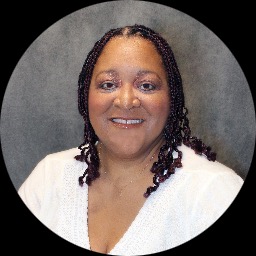
About Charlotte
Dr. Charlotte Richardson helps people who are coping with stress and anxiety. She also supports those facing grief, relationship strain, and concerns related to LGBT identity.
Her approach is calm and direct, aimed at making early steps feel manageable. She offers a listening space where worries can be named and examined without judgment. Sessions focus on what matters most to the person in front of her.
Conversations are practical and grounded in daily life, not abstract theories.
Background and approach
Dr. Richardson uses a mix of approaches to match each person's needs. She draws on cognitive behavioral techniques to help change unhelpful thinking and behaviors.
She also uses client-centered methods that prioritize the person's own goals and pace. When grief, loss, or family conflict are present, she brings attention to emotions and to the small decisions that shape recovery. For people facing panic or mood challenges she works on skills to manage intense moments and rebuild routines.
With eleven years of experience as an LCSW - licensed clinical social worker - in California, she combines practical tools with a straightforward, caring presence. She encourages questions and makes space for trying different ways of coping. Taking a first step can feel hard, and she focuses on helping people move forward one step at a time.
How therapeutic approaches work online
Client-Centered Therapy places the person's goals and values at the center of sessions. In practice this means conversations that follow what the person brings, with the therapist reflecting and helping clarify what matters most. This approach is useful for people who want a steady, respectful space to sort through identity, grief, or life changes.Cognitive Behavioral Therapy, or CBT, focuses on spotting unhelpful thoughts and testing them in daily life. It uses short exercises and practical experiments to reduce anxiety and panic symptoms and to rebuild routine behaviors that support mood. Online sessions can include homework, worksheets, and brief check-ins between meetings.
Choosing the right approach is a collaborative process. The therapist will talk with each person about goals, try tools, and adapt methods based on what helps. That way the plan evolves from the person's needs rather than following a fixed script.
Online formats offer flexibility: video calls for deeper conversation, phone sessions when bandwidth or movement is an issue, live chat for shorter check-ins, and text-based messaging for ongoing support between sessions. These options make it easier to fit therapy into busy schedules, to use brief skill practice during the week, and to pick the format that best matches comfort and practical constraints.
Questions people ask
What kinds of concerns does Dr. Richardson help with?
How would you describe her therapy style?
What is her professional background?
Where is she licensed and based?
Does she offer sessions in other languages or to international clients?
What formats are available for sessions?
How is cost handled for therapy?
How do I begin working with her?
What this therapist works with
Most often
- Stress, Anxiety
- LGBT
- Family conflicts
Also listed
- Abandonment
- Body image
- Caregiver issues and stress
- Chronic pain, illness, and disability
- Communication problems
- Control issues
- Depression
- Divorce and separation
- Forgiveness
- Grief
- Guilt and shame
- Isolation / loneliness
- Life purpose
- Midlife crisis
- Money and financial issues
- Mood disorders
- Panic disorder and panic attacks
- Pregnancy and childbirth
- Self-love
- Sexuality
- Social anxiety and phobia
- Women's issues
- Workplace issues
Therapeutic approaches
- Experience
- 11 years
- Licensed
- California
- Languages
- English
We will earn a commission if you sign up through our link, at no cost to you.