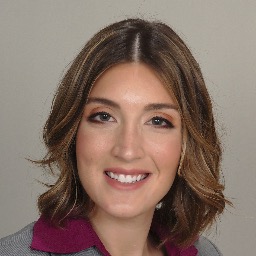
About Catherine
Catherine Sechrist is a licensed professional counselor who helps people manage stress, anxiety, grief, and life changes. She draws on nearly nine years of experience to tailor care to each person. Catherine focuses on building strengths and practical skills so people can move forward at their own pace.
She uses a mix of approaches rather than one fixed method. That lets her match techniques to what feels most useful for the person in front of her.
Background and approach
Sessions are collaborative and aimed at day-to-day improvement, not jargon or long theoretical lessons. Catherine often works with concerns such as self-esteem, coping with change, sleep and eating problems, and workplace and career stress. She also helps people facing trauma, compassion fatigue, and grief.
Additional focus areas include body image, panic and phobias, obsessive-compulsive concerns, and first responder issues. Her toolkit includes Acceptance and Commitment Therapy, cognitive behavioral strategies, Dialectical Behavior Therapy skills, client-centered work, and solution-focused methods. Those approaches are used to teach skills like emotion regulation, flexible thinking, and small-step behavioral changes.
Catherine holds LPC and LPMHC credentials and practices in Pennsylvania. Sessions are offered in English and delivered online through video calls, phone, live chat, or text-based messaging. The aim is to help people build practical coping strategies and clearer next steps for everyday life.
Therapeutic approaches and online care that fit your life
Acceptance and Commitment Therapy helps people notice unhelpful thoughts and still take action toward their values. It can be useful for anxiety, stress, and feeling stuck. Cognitive Behavioral Therapy focuses on the link between thoughts, actions, and feelings and teaches concrete skills to change unhelpful patterns. CBT is often used for anxiety, panic, and mood concerns.Finding the right approach is part of the work. The therapist will collaborate with the person to determine which tools and methods match their goals and preferences. That means trying techniques, checking what helps, and adjusting the plan together over time.
Online sessions are offered by video call, phone, live chat, or text-based messaging to make therapy more flexible. Video calls mirror an in-person session visually, while phone sessions can work when lower bandwidth or hands-free conversation is needed. Live chat and text allow shorter check-ins or ongoing written work between longer sessions. These options help people fit care into busy days and different routines.
Questions people ask
What kinds of concerns does she help with?
What is her therapeutic style like?
How much experience does she have?
What credentials does she hold and where is she based?
Which languages are available for sessions?
Can international clients arrange sessions?
What session formats are offered?
How do I get started with therapy?
What this therapist works with
Also listed
- Body image
- Career difficulties
- Coaching
- Compassion fatigue
- Coping with natural or human-caused disaster
- Depression
- Eating disorders
- First responder issues
- Forgiveness
- Grief
- HIV / AIDS
- Hospice and end-of-life counseling
- Money and financial issues
- Obsessions, compulsions, and OCD
- Panic disorder and panic attacks
- Parenting issues
- Phobias
- Sleeping disorders
- Social anxiety and phobia
- Trauma and abuse
- Workplace issues
Therapeutic approaches
- Experience
- 9 years
- Licensed
- Pennsylvania, Delaware
- Languages
- English
We will earn a commission if you sign up through our link, at no cost to you.