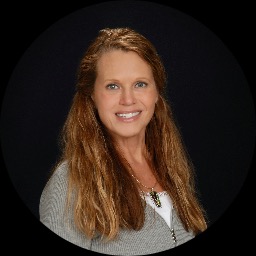
About Carole
Carole Boes is a licensed clinical social worker with 35 years of experience helping people manage anxiety and other strong emotions. She offers steady, practical support for someone feeling overwhelmed by stress, grief, or big life changes. Her style is calm and straightforward, aimed at making each session useful and understandable.
Carole creates a welcoming space for LGBTQ people and for adults facing relationship struggles, mood disorders, or the fallout from trauma.
Background and approach
She often helps people who have experienced sexual assault, workplace pressure, or the strain of caregiving and divorce. Sessions focus on what matters most to the person sitting in the room. Her work centers on building coping skills and breaking down problems into steps that feel manageable.
She uses methods that help people notice unhelpful thinking patterns, try small changes, and set realistic goals. Motivational strategies are used when people want support making difficult changes or managing addictions. Carole also draws on trauma-focused practices to help people process painful memories at a pace that feels safe.
She supports those navigating postpartum mood shifts, seasonal mood changes, bipolar and other mood disorders, and the complex feelings that follow loss. The aim is to restore a sense of control and ease day-to-day life. Practical matters are part of the work.
Carole listens for strengths, helps plan next steps, and checks in on progress. People leave sessions with clear ideas to try between meetings and a sense of having been heard.
Approaches that translate well to online care
Client-Centered Therapy focuses on listening and reflecting back what matters to the person. It helps people feel understood and decide their own next steps. Cognitive Behavioral Therapy, or CBT, looks at how thoughts, feelings, and actions connect and teaches simple tools to change unhelpful patterns. It is often useful for anxiety, depression, and stress. Trauma-Focused Therapy helps people process painful memories in manageable steps and reduce their hold on daily life.Finding the right approach is part of the work. A therapist will talk with each person about goals, needs, and what feels most comfortable. Together they choose or blend methods so sessions match the person's pace and priorities.
Online sessions can make ongoing therapy easier to fit into life. Video calls allow face-to-face conversation when travel is difficult. Phone sessions are an option when bandwidth is low or a shorter check-in is needed. Live chat and text-based messaging let people share thoughts between sessions or use brief support during busy days. These options provide flexibility while keeping the focus on practical progress and clear next steps.
Questions people ask
What concerns does Carole commonly address?
What is her general therapeutic style?
How long has she been practicing?
What credentials and location are listed?
Which languages are sessions offered in?
Can people outside the U.S. work with her?
What session formats are available?
How does cost and starting therapy work?
What this therapist works with
Most often
- LGBT
- Relationship issues
- Trauma and abuse
Also listed
- Addictions
- Anger management
- Bipolar disorder
- Blended family issues
- Caregiver issues and stress
- Coaching
- Codependency
- Coping with life changes
- Coping with natural or human-caused disaster
- Depression
- Divorce and separation
- Family conflicts
- First responder issues
- Grief
- Mood disorders
- Parenting issues
- Post-traumatic stress
- Postpartum depression
- Seasonal Affective Disorder (SAD)
- Self esteem
- Sexual assault and abuse
- Stress, Anxiety
- Workplace issues
Therapeutic approaches
- Experience
- 35 years
- Licensed
- Pennsylvania
- Languages
- English
We will earn a commission if you sign up through our link, at no cost to you.