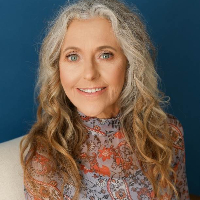
About Carol
Carol Weihe, LCMFT, uses a blend of practical therapies to help people manage stress and anxiety. She works in a down-to-earth way and focuses on changes that can be used day to day. Her approach aims to make emotional coping feel more manageable.
She draws on acceptance and commitment techniques and cognitive behavioral ideas to help people notice what matters and act on it. Client-centered and emotionally focused methods shape sessions so people feel heard and understood.
Background and approach
That mix supports work on depression, trauma, relationship concerns, and common life transitions. Carol has 24 years of experience in multiple settings. Her background includes independent practice, community mental health, managed care, and work with the Department of Veterans Affairs.
That range informs how she structures practical skills alongside deeper emotional work. Sessions often focus on clear goals such as reducing anxiety, improving communication, or navigating grief and end-of-life issues. She also addresses issues like codependency, communication problems, and family of origin concerns.
The work balances short-term skill building with exploration of deeper patterns. People can expect a supportive but direct style that encourages self-awareness and steady action. Carol helps clients shift attention away from unhelpful patterns and toward values-driven choices.
She practices in Kansas and offers services in English to international clients as well.
Therapeutic approaches you can use online
Carol uses Acceptance and Commitment Therapy to help people clarify what matters to them and take small steps toward those values. ACT focuses on noticing thoughts instead of getting stuck in them, which can reduce worry and increase purposeful action.She also incorporates Cognitive Behavioral Therapy to identify unhelpful thoughts and build practical skills. CBT sessions usually include step-by-step techniques for managing anxiety, changing avoidance, and improving mood. Client-centered principles are woven throughout so the conversation stays focused on each person’s experience and goals.
Finding the right approach is part of the work together. Carol will collaborate with each person to decide which methods fit their needs and preferences. That may mean combining elements from different approaches and adjusting the plan as progress is made.
Online formats include video calls, phone sessions, live chat, and text-based messaging to make therapy easier to fit into daily life. Video works well for deeper conversations and skill practice, phone can be helpful when bandwidth is limited, and chat or messaging suit brief check-ins or ongoing support between sessions. These options give flexibility and let people keep therapy going from different locations and schedules.
Questions people ask
What concerns does she address?
How would you describe her therapeutic style?
What is her professional background?
Where is she based and what are her credentials?
Which languages are available for sessions?
What session formats are offered?
How does pricing work?
How do I begin working together?
What this therapist works with
Most often
- Stress, Anxiety
- Relationship issues
- Trauma and abuse
Also listed
- Aging and geriatric issues
- Antisocial personality
- Cancer
- Codependency
- Commitment issues
- Communication problems
- Control issues
- Coping with life changes
- Depression
- Dissociation
- Divorce and separation
- Domestic violence
- Family of origin issues
- Family problems
- Forgiveness
- Guilt and shame
- Hospice and end-of-life counseling
- Infidelity
- Isolation / loneliness
- Jealousy
- Life purpose
- Men's issues
- Mood disorders
- Panic disorder and panic attacks
- Personality disorders
- Post-traumatic stress
- Self-love
- Social anxiety and phobia
- Veteran and Armed Forces Issues
- Women's issues
Therapeutic approaches
- Experience
- 24 years
- Licensed
- Kansas
- Languages
- English
We will earn a commission if you sign up through our link, at no cost to you.