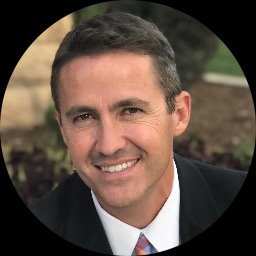
About Benjamin
Benjamin Nielson is a Licensed Clinical Social Worker (LCSW) based in Utah who focuses on anxiety and related concerns. He brings six years of clinical practice to sessions and aims to offer straightforward, practical support. He writes and speaks plainly, preferring short conversations that get to the heart of what’s worrying someone.
He uses methods that help people understand how relationships shape feelings. That includes Attachment-Based work that looks at how early bonds influence current stress and anxiety.
Background and approach
He also draws on Cognitive Behavioral Therapy to identify unhelpful thinking and build different habits that reduce panic and worry. Benjamin’s background includes work in drug and suicide prevention programs on the Navajo Nation and roles as a medical social worker in hospitals and hospice settings. Those experiences shaped his interest in trauma, addictions, grief, chronic illness, and caregiver stress.
He also has experience with practical community programs such as camps and hands-on activities for youth. In sessions he adjusts his approach to what a person needs that day. Some meetings are skills-focused and goal oriented.
Others explore relationships and attachment patterns that keep stress cycling. He emphasizes respect, warmth, and a calm, steady presence. People reach out to him for anxiety, panic attacks, depression, addiction concerns, grief, and life transitions.
He supports work on communication problems, codependency, guilt and shame, and managing stress related to caregiving or chronic health issues. If someone is ready to make changes, he offers focused help and steady guidance.
Using evidence-based approaches in online sessions
Attachment-Based work looks at how early relationships shape current reactions. It helps people see patterns that cause anxiety or trouble in close relationships and then try different ways of relating. Cognitive Behavioral Therapy focuses on the link between thoughts, feelings, and actions. It teaches practical skills to reduce panic, shift unhelpful thinking, and build better daily routines.Finding the right approach happens together. The therapist will talk with each person about goals, symptoms, and what feels useful. Then they adapt methods over time so sessions stay relevant and effective for the concerns being addressed.
Online therapy offers several practical benefits. Video calls allow face-to-face conversation and visual cues. Phone sessions can work when bandwidth is limited or a shorter check-in is needed. Live chat and text-based messaging let someone send thoughts between sessions and get flexible, ongoing contact. These formats make it easier to fit therapy into busy days and reach a licensed professional from different locations.
Questions people ask
What kinds of concerns does he address?
How would you describe his therapy style?
What is his clinical background?
Where is he licensed and practicing?
Which languages are sessions offered in?
What session formats are available?
How does pricing work?
How do I begin working with him?
What this therapist works with
Also listed
- Anger management
- Attachment issues
- Caregiver issues and stress
- Chronic pain, illness, and disability
- Codependency
- Communication problems
- Compassion fatigue
- Control issues
- Coping with life changes
- Depression
- Drug and alcohol addiction
- Family conflicts
- Forgiveness
- Grief
- Guilt and shame
- Hospice and end-of-life counseling
- Isolation / loneliness
- Life purpose
- Midlife crisis
- Mood disorders
- Panic disorder and panic attacks
- Phobias
- Post-traumatic stress
- Process addiction (porn, exercise, gambling)
- Relationship issues
- Seasonal Affective Disorder (SAD)
- Self esteem
- Self-love
- Social anxiety and phobia
Therapeutic approaches
- Experience
- 6 years
- Licensed
- Utah
- Languages
- English
We will earn a commission if you sign up through our link, at no cost to you.