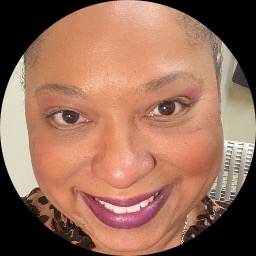
About Arkatheia
Arkatheia Thomas is a licensed clinical social worker who helps people manage stress and anxiety. She offers calm, straightforward support for those coping with relationship strain, depression, life changes, and addiction. Her style is direct and compassionate, aimed at practical steps people can try between sessions.
With 13 years of experience, she focuses on real problems people bring into the room. She listens for each person’s priorities and tailors tools that fit their day-to-day life.
Background and approach
Sessions often include simple practices for coping, communication skills, and ways to reduce overwhelming thoughts. Her work pays attention to cultural background and workplace stress. She helps people who feel isolated or unsure about identity to build self-esteem and stronger routines.
For those facing grief, trauma, or caregiver strain, she offers steady guidance and clear next steps. Arkatheia uses a mix of approaches to match individual goals, including acceptance-based strategies, mindfulness, and practical cognitive techniques. She also uses motivational methods when someone needs help finding momentum for change.
These methods are explained and chosen together with each person. Sessions are offered in English and can be done through several online formats. People who want to begin can complete a short matching questionnaire and schedule a session.
She practices in North Carolina as an LCSW and works with people at different stages of recovery and growth.
Approaches that fit online care
Acceptance and Commitment Therapy helps people notice difficult thoughts and still move toward what matters. It often includes small values-driven actions that can reduce avoidance and increase meaning. Cognitive Behavioral Therapy breaks problems into thoughts, feelings, and actions and teaches practical skills to change unhelpful patterns, which can help with anxiety, depression, and stress.Finding the right approach is part of the work. The therapist will talk with each person about their goals and preferences, then suggest methods to try. That choice is collaborative and can change as needs evolve during therapy.
Online sessions are offered by video call, phone, live chat, or text-based messaging to make therapy more flexible. Video calls are useful for a full session with face-to-face interaction. Phone sessions work well when bandwidth is limited or when someone prefers not to be on camera. Live chat and text messaging allow shorter check-ins, quick coaching, or ongoing support between longer sessions, helping therapy fit into a busy life.
Questions people ask
What concerns does she address?
What is her therapeutic style like?
How much experience does she have?
What are her credentials and location?
Can I work with her if I live outside the United States?
In what formats are sessions available?
How does cost and billing work?
How do I begin working with her?
What this therapist works with
Most often
- Stress, Anxiety
- Relationship issues
- Family conflicts
Also listed
- Addictions
- ADHD
- Aging and geriatric issues
- Anger management
- Blended family issues
- Body image
- Career difficulties
- Caregiver issues and stress
- Coaching
- Codependency
- Commitment issues
- Communication problems
- Compassion fatigue
- Coping with life changes
- Depression
- Divorce and separation
- Domestic violence
- Drug and alcohol addiction
- Emptiness
- Family problems
- Forgiveness
- Grief
- Impulsivity
- Infidelity
- Intimacy-related issues
- Isolation / loneliness
- Jealousy
- LGBT
- Life purpose
- Midlife crisis
- Mood disorders
- Multicultural concerns
- Panic disorder and panic attacks
- Prejudice and discrimination
- Seasonal Affective Disorder (SAD)
- Self esteem
- Self-love
- Social anxiety and phobia
- Trauma and abuse
- Veteran and Armed Forces Issues
- Women's issues
- Workplace issues
Therapeutic approaches
- Experience
- 13 years
- Licensed
- North Carolina
- Languages
- English
We will earn a commission if you sign up through our link, at no cost to you.