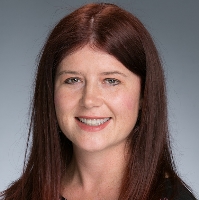
About Amanda
Amanda Carter is a Licensed Professional Counselor (LPC) based in Georgia with 16 years of clinical experience. She focuses on anxiety and related concerns and aims to make therapy straightforward and practical for people feeling overwhelmed. Amanda uses a client-centered approach that keeps the person and their goals at the center of each session.
She also draws on cognitive behavioral techniques to help people notice patterns of thinking and try new, healthier responses.
Background and approach
When needed, she incorporates EMDR to address memories and reactions tied to past traumatic events. People come to her for help with grief, trauma, addictions, and mood concerns such as depression and anger. She also addresses relationship strain, intimacy-related issues, low self-esteem, career transitions, and life changes that leave someone stuck or uncertain.
Additional focuses include chronic illness, end-of-life concerns, immigration stress, and coping after disasters. Sessions are offered in English and Amanda accepts international clients. She has worked with a wide range of concerns over many years and aims to create a steady atmosphere where people can talk honestly and try practical steps between sessions.
Her approach balances listening with clear tools to reduce distress. Amanda welcomes conversations about what someone most wants to change. She helps set concrete goals and checks in on progress along the way, adjusting techniques to match each person's needs and pace.
Practical approaches for online anxiety and trauma care
Amanda combines client-centered work with focused interventions to help people reduce anxiety and process difficult experiences. Client-Centered Therapy here means she listens closely and follows what each person says matters most, then shapes sessions around those priorities. Cognitive Behavioral Therapy (CBT) is used to identify unhelpful thinking and try small behavioral changes that lower stress and improve mood. Eye Movement Desensitization and Reprocessing (EMDR) can be used when past memories continue to cause strong reactions, helping the brain reprocess those memories so they feel less disruptive.Finding the right approach is part of the work together. Amanda will talk through options and try methods that match a person's goals, needs, and comfort level. The plan can change over time as progress is made and priorities shift, and she partners with clients to decide what feels most useful.
Online therapy offers several practical benefits. Video calls allow face-to-face conversation and longer sessions, while phone sessions can be a good fit when bandwidth or attention needs differ. Live chat and text-based messaging support quick check-ins, brief updates, or ongoing reflection between meetings. These options make it easier to fit therapy into busy days and to continue work even when travel or schedules are challenging.
Questions people ask
What concerns does Amanda commonly address?
How would you describe her therapy style?
What is her professional background and experience?
Where is she licensed and does location matter?
Which languages are supported in sessions?
What session formats are available?
How does payment work and what does it cost?
How do I begin working with her?
What this therapist works with
Also listed
- Anger management
- Cancer
- Career difficulties
- Chronic pain, illness, and disability
- Compassion fatigue
- Coping with life changes
- Coping with natural or human-caused disaster
- Depression
- Emptiness
- Family conflicts
- Forgiveness
- Grief
- Guilt and shame
- Hospice and end-of-life counseling
- Immigration issues
- Intimacy-related issues
- Isolation / loneliness
- Life purpose
- Midlife crisis
- Phobias
- Post-traumatic stress
- Process addiction (porn, exercise, gambling)
- Relationship issues
- Self esteem
- Sex addiction
- Sexual assault and abuse
- Women's issues
- Workplace issues
Therapeutic approaches
- Experience
- 16 years
- Licensed
- Georgia
- Languages
- English
We will earn a commission if you sign up through our link, at no cost to you.