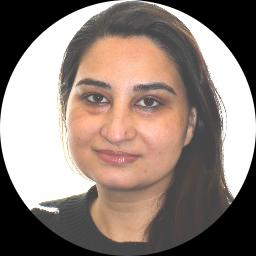
About Zarmeena
Zarmeena Afridi is a practitioner psychologist registered with the Health and Care Professions Council UK (HCPC). She has 15 years of experience helping people manage anxiety, stress, depression, grief and trauma. Her work focuses on practical steps that make day-to-day life easier for people under strain.
She blends straightforward discussion with hands-on techniques. Sessions are shaped around what each person needs in that moment. Zarmeena listens for strengths and builds on them so clients can feel more able to cope with challenges.
Background and approach
Her background includes roles in hospitals, community programmes, emergency response teams, substance misuse and rehabilitation services, and public health and research projects. Those varied settings have given her exposure to many different life situations and cultural perspectives. In clinical work she commonly draws on Cognitive Behavioral Therapy, solution-focused methods and mindfulness exercises.
These tools are used to address panic, phobias, mood difficulties, post-traumatic stress and other concerns listed by the client. Zarmeena also brings personal experience of loss, anxiety and recovery into her practice. That perspective informs a compassionate, practical style aimed at helping people find clearer next steps.
She aims to support clients as they work toward greater confidence and a renewed sense of purpose.
How therapeutic approaches work online
Client-Centred Therapy emphasises a warm, non-judgemental listening style where the client sets the pace and goals. It helps when someone needs to be heard and to build confidence in their own choices.Cognitive Behavioral Therapy, or CBT, looks at how thoughts, feelings and behaviours interact and teaches practical skills to reduce anxiety and panic. It is often used for mood difficulties, phobias and panic attacks because it gives clear exercises to practice between sessions.
Finding the right approach is a joint process. The therapist will talk with the client about their goals and try different tools to see what fits. This collaborative way helps tailor sessions so they address immediate worries and longer-term change.
Online therapy offers practical benefits such as fitting sessions around work or caregiving, avoiding travel time and choosing shorter check-ins by text or chat when that suits. Video calls allow face-to-face conversation, phone sessions use less bandwidth, and messaging can support ongoing contact between calls. These options make it easier for people to continue therapy in ways that match their life and energy levels.
Questions people ask
What kinds of concerns does this counsellor help with?
What is her therapeutic style like?
How much experience does she have?
What credential does she hold and where is she based?
Which languages are supported in sessions?
Can people outside the UK work with her?
What session formats are available?
How are costs and starting steps handled?
What this therapist works with
Most often
Also listed
- Abandonment
- Caregiver issues and stress
- Communication problems
- Coping with life changes
- Coping with natural or human-caused disaster
- Depression
- Disruptive Mood Dysregulation Disorder (DMDD)
- Divorce and separation
- Guilt and shame
- Impulsivity
- Isolation / loneliness
- Life purpose
- Mood disorders
- Panic disorder and panic attacks
- Phobias
- Post-traumatic stress
- Postpartum depression
- Pregnancy and childbirth
- Self-love
- Social anxiety and phobia
- Women's issues
- Workplace issues
Therapeutic approaches
- Experience
- 15 years
- Licensed
- Languages
- English, Hindi, Pushto, Urdu
We will earn a commission if you sign up through our link, at no cost to you.