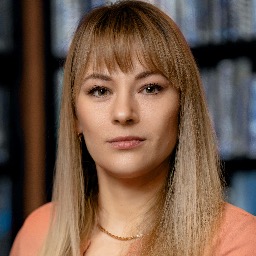
About Volha
Volha Stasiuliene is a BACP counsellor who has worked in the UK for nine years. She helps people who feel anxious, stressed or depressed to make sense of their feelings. Her manner is warm and respectful and she aims to create space for honest conversation.
Volha often uses practical, evidence-based ideas to help with everyday problems. She draws on cognitive-behavioural tools to tackle unhelpful thinking patterns and on client-centred principles to follow the person's pace and priorities.
Background and approach
Sessions are adapted to what each person needs rather than following a fixed script. She has experience supporting people with trauma and abuse, bereavement and addictions. Volha also works with issues such as sleep and eating difficulties, low self-esteem, anger and bipolar mood challenges.
Additional areas she addresses include attachment and abandonment concerns, family of origin problems and communication difficulties. Her sessions are described as interactive and collaborative. Volha aims to combine short-term practical work with space to reflect on deeper patterns that affect daily life.
She avoids stigmatizing labels and treats people with sensitivity and respect throughout the process. Volha offers counselling in English and Russian. Her practice includes a mix of conversation, behavioural suggestions and reflective exploration so people can try changes between sessions and review what helps.
Therapeutic approaches and online support
Volha commonly draws on client-centred work and cognitive-behavioural methods. Client-centred therapy focuses on listening closely and following the person’s pace, helping people feel heard and understood. Cognitive-behavioural therapy (CBT) looks at how thoughts, feelings and behaviours interact and provides practical strategies to change patterns that maintain anxiety or low mood.Finding the right approach is part of the process. Volha works collaboratively to test what helps and adapts methods to each person's goals and preferences. She will discuss options and tailor the mix of reflection and practical tools as therapy progresses.
Online sessions are offered by video call, phone, live chat or text-based messaging. Video calls allow face-to-face conversation for deeper exchange. Phone sessions can be useful when bandwidth is limited or when someone prefers not to be on camera. Live chat and text messaging suit shorter check-ins, quick coping strategies or people who find typing easier. These options give flexibility for fitting sessions around work, caring duties or busy days, while keeping continuity between appointments.
Questions people ask
What kinds of concerns does she help with?
How would you describe her therapeutic style?
What is her professional background?
What credentials and location are listed?
Which languages are supported?
What session formats are available?
How are costs and payments handled?
How do I begin working with her?
What this therapist works with
Also listed
- Abandonment
- Addictions
- Anger management
- Attachment issues
- Avoidant personality
- Bipolar disorder
- Body image
- Caregiver issues and stress
- Codependency
- Communication problems
- Control issues
- Depression
- Dissociation
- Divorce and separation
- Domestic violence
- Drug and alcohol addiction
- Eating and food-related issues
- Eating disorders
- Emptiness
- Family of origin issues
- Forgiveness
- Grief
- Guilt and shame
- Immigration issues
- Impulsivity
- Isolation / loneliness
- Jealousy
- Life purpose
- Midlife crisis
- Mood disorders
- Panic disorder and panic attacks
- Personality disorders
- Phobias
- Post-traumatic stress
- Self-harm
- Self-love
- Sleeping disorders
- Social anxiety and phobia
- Workplace issues
Therapeutic approaches
- Experience
- 9 years
- Licensed
- Languages
- English, Russian
We will earn a commission if you sign up through our link, at no cost to you.