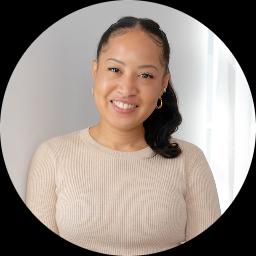
About Tunteeya
Tunteeya Yamaoka is an AHPRA-registered clinician with ten years' experience helping people manage anxiety, stress and life transitions. She is direct but kind in session and aims to create a space where many emotions can be shown and noticed. Her approach encourages noticing both pain and moments of light so people can move toward a meaningful direction in life.
She describes herself as straightforward and honest, and sometimes says things that might be hard to hear.
Background and approach
Those moments come from a place of care and a wish to help people make practical changes. The tone in sessions is warm, with clear feedback and gentle challenge when it helps progress. Tunteeya has worked across independent practice, hospitals, universities and corporate settings.
That experience includes supporting people with anxiety, perfectionism, obsessive-compulsive patterns and attention difficulties. Her background also includes work with relationship and family-of-origin issues and life-purpose concerns. Her multicultural roots - Japanese and Ghanaian heritage within an Australian context - influence how she understands identity.
She integrates perspectives from Eastern and Western approaches rather than relying on a single method. This helps when discussing cultural factors, gender questions and identity-related concerns. Outside work she enjoys drawing, painting, running and crocheting.
She also reads cosy fiction and exercises at the gym. These interests shape her practical, down-to-earth way of working with clients.
Therapeutic approaches and online sessions
Acceptance and Commitment Therapy (ACT) focuses on values and actions. It helps people notice difficult thoughts and feelings while choosing behaviours that match what matters to them. Cognitive Behavioural Therapy (CBT) looks at how thoughts, feelings and behaviours link together and teaches practical skills to reduce anxious or unhelpful patterns. Attachment-Based Therapy explores relationship patterns formed early in life and how they affect current connections and emotional safety.Finding the right approach is part of the work. The therapist will discuss your needs, goals and preferences and together decide which methods to try. That collaborative process can include combining elements from different approaches to suit your situation and pace.
Online sessions are offered by video calls, phone sessions, live chat or text-based messaging to make therapy more flexible. Video is useful for deeper conversational work and visual cues. Phone sessions suit people with lower bandwidth or who prefer not to be on camera. Live chat or messaging can provide shorter check-ins, ongoing support between sessions or a way to work through things in writing. These options make it easier to fit therapy around work, family or other commitments.
Questions people ask
What kinds of concerns does Tunteeya work with?
How would you describe her therapy style?
What experience does she bring to sessions?
What credentials and location are listed?
Can I have sessions in another language?
Which session formats are available?
How are sessions priced?
How do I begin if I want to work with her?
What this therapist works with
Most often
- Stress, Anxiety
- Relationship issues
- Self esteem
Also listed
- Abandonment
- Attachment issues
- Body image
- Coaching
- Communication problems
- Control issues
- Coping with life changes
- Family of origin issues
- Family problems
- Forgiveness
- Gender dysphoria
- Guilt and shame
- Impulsivity
- Infidelity
- Isolation / loneliness
- Life purpose
- Midlife crisis
- Mood disorders
- Multicultural concerns
- Obsessions, compulsions, and OCD
- Panic disorder and panic attacks
- Self-love
- Sexuality
- Social anxiety and phobia
- Women's issues
Therapeutic approaches
- Experience
- 10 years
- Licensed
- Languages
- English, Japanese
We will earn a commission if you sign up through our link, at no cost to you.