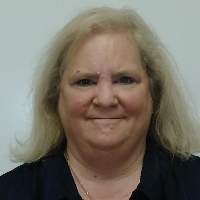
About Teresa
Teresa Horldt is a Licensed Mental Health Counselor (LMHC) with 17 years of experience. She focuses on helping people who feel overwhelmed by anxiety, stress, addiction, mood disorders, and trauma. Teresa aims to create a calm, nonjudgmental space where people can talk through what feels hardest right now.
She started her career supporting survivors of domestic violence and later worked in emergency room crisis intervention. That led to years in inpatient and outpatient treatment for substance use and mental health concerns.
Background and approach
For the past 15 years she has focused heavily on addiction, depression, bipolar mood disorders, and trauma-related issues. Teresa uses an eclectic mix of approaches to meet each person’s needs. She draws on Dialectical Behavior Therapy for emotional regulation and interpersonal effectiveness.
She uses Cognitive Behavioral Therapy for mood and anxiety symptoms and Motivational Interviewing for readiness to change in addiction work. Mindfulness practices are woven throughout her work to reduce stress and assist with trauma recovery. She also employs solution-focused strategies when people want brief, goal-directed support.
Her current role includes program management for a community mental health program that serves people with schizophrenia, schizoaffective disorder, bipolar disorder, and co-occurring diagnoses. Teresa emphasizes respect, dignity, and acceptance in sessions, and she works to partner with each person to set realistic goals.
How therapeutic approaches translate to online care
Teresa commonly blends Cognitive Behavioral Therapy and Dialectical Behavior Therapy in online work. CBT focuses on identifying unhelpful thoughts and testing them against real life to reduce anxiety and mood symptoms. DBT teaches practical skills for emotional regulation, distress tolerance, and improving communication in relationships.She approaches treatment collaboratively. During early sessions she will talk with the client about goals, try a few strategies, and adjust the plan based on what feels most helpful. The therapist and client decide together which methods to use so work matches needs and preferences.
Online therapy with video calls, phone sessions, live chat, or text-based messaging makes it easier to fit sessions into busy lives. Video lets people practice skills in conversation and read nonverbal cues. Phone sessions can be a good option when bandwidth is limited or a shorter check-in is needed. Live chat and text messaging support brief check-ins, reminders, and ongoing skill practice between sessions.
Questions people ask
What concerns does Teresa commonly address?
What is her general approach to therapy?
How long has she practiced?
Where is she located and what credential does she hold?
Can sessions be conducted in other languages or internationally?
What formats are available for sessions?
How does pricing work?
What steps are involved to begin working with her?
What this therapist works with
Most often
Also listed
- Anger management
- Bipolar disorder
- Career difficulties
- Caregiver issues and stress
- Codependency
- Communication problems
- Compassion fatigue
- Coping with life changes
- Depression
- Domestic violence
- Drug and alcohol addiction
- Family conflicts
- Forgiveness
- Grief
- Guilt and shame
- Intimacy-related issues
- Isolation / loneliness
- Mood disorders
- Panic disorder and panic attacks
- Personality disorders
- Post-traumatic stress
- Relationship issues
- Self esteem
- Self-harm
- Sexual assault and abuse
- Social anxiety and phobia
- Trauma and abuse
- Workplace issues
Therapeutic approaches
- Experience
- 17 years
- Licensed
- Florida
- Languages
- English
We will earn a commission if you sign up through our link, at no cost to you.