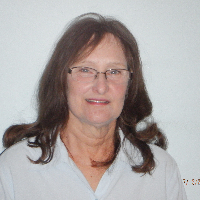
About Susan
Susan Csank is a Licensed Independent Social Worker (LISW) based in Ohio with 23 years of clinical experience. She focuses on anxiety, stress, addictions, depression, and related concerns. Susan uses a straightforward, person-focused approach to help people identify practical steps forward.
She blends client-centered work with cognitive behavioral ideas and mindfulness skills. In sessions she listens closely, helps spot unhelpful patterns, and suggests small experiments you can try between meetings.
Background and approach
She also uses motivational interviewing to support readiness for change when that comes up. Susan has a long history working with people affected by addiction and mood concerns. That background informs how she addresses codependency, communication problems, and caregiver stress.
She also works with issues connected to trauma, grief, and life transitions. Therapy sessions focus on concrete tools. Susan teaches coping skills, emotion regulation strategies, and ways to shift negative thinking.
She also helps people rebuild routines, strengthen relationships, and clarify values and goals. Sessions are offered by video, phone, live chat, or text messaging to fit different schedules. Susan speaks Estonian in addition to English.
To begin, a short matching questionnaire and scheduling step help pair someone with an appropriate plan.
How Susan’s approaches work in online therapy
Client-centered work focuses on understanding your goals and values. The therapist follows your lead, reflects what comes up, and helps you set practical steps toward the changes you want. This approach is useful when you need empathy and clear planning to move forward.Cognitive Behavioral Therapy (CBT) looks at patterns of thinking and behavior that keep problems going. Sessions include identifying unhelpful thoughts, testing them with small experiments, and practicing new behaviors to reduce anxiety or low mood. CBT is often used for anxiety, depression, and mood-related concerns.
Dialectical Behavior Therapy (DBT) includes skills for managing strong emotions, improving relationships, and tolerating distress. It emphasizes concrete coping tools like breathing, grounding, and communication strategies that can be practiced between sessions.
Choosing the right approach is part of the work. The therapist will talk with the client about needs, goals, and preferences and then try methods that fit. That collaboration helps tailor the plan and adjust it when needed.
Online sessions can be scheduled as video calls, phone meetings, live chat, or text-based messaging. Video works well for deeper conversation and skill practice. Phone can be easier when bandwidth is low or when someone prefers not to be on camera. Live chat and messaging offer quick check-ins and flexible, shorter contacts between longer sessions. These options make it easier to fit therapy into a busy life.
Questions people ask
What kinds of concerns does she address?
What is her therapy style like?
How much professional experience does she have?
Where is she licensed and based?
Which languages are available for sessions?
What session formats does she use?
How does billing and cost work?
How do I get started with her?
What this therapist works with
Most often
- Stress, Anxiety
- Addictions
- Relationship issues
Also listed
- ADHD
- Anger management
- Bipolar disorder
- Career difficulties
- Caregiver issues and stress
- Codependency
- Communication problems
- Compassion fatigue
- Coping with life changes
- Depression
- Drug and alcohol addiction
- Family conflicts
- Family of origin issues
- Family problems
- Forgiveness
- Grief
- Guilt and shame
- Intimacy-related issues
- Isolation / loneliness
- Life purpose
- Mood disorders
- Parenting issues
- Post-traumatic stress
- Self esteem
- Trauma and abuse
- Women's issues
Therapeutic approaches
- Experience
- 23 years
- Licensed
- Ohio
- Languages
- Estonian
We will earn a commission if you sign up through our link, at no cost to you.