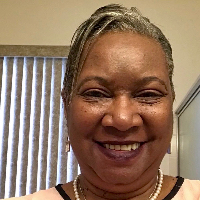
About Stephanie
Stephanie Speller-Henderson is a Licensed Clinical Mental Health Counselor (LCMHC) based in North Carolina with 19 years of experience. She offers a calm, practical style that helps people facing stress, anxiety, depression, relationship strain, and trauma. Parents reading on a phone will find clear language and straightforward goals in her work.
She draws on several therapy methods to match each person’s needs. Sessions focus on understanding how thoughts, habits, and family patterns affect daily life.
Background and approach
Stephanie helps clients set realistic goals and practices simple exercises between appointments to build new skills. Her background includes a Master of Arts in Community Counseling from the University of North Carolina at Charlotte and a Master of Theology in Pastoral Care and Counseling from Hood Theological Seminary.
She has provided counseling in emergency rooms, community centers, schools, churches, and both group and independent practice settings. Stephanie has worked with people affected by HIV and AIDS and has presented locally and nationally on compassionate care. She also has experience with substance dependence, grief and end-of-life concerns, caregiver stress, and workplace issues.
That range informs how she adapts techniques for each person. In sessions she emphasizes collaboration. Clients take an active role in setting goals and testing new behaviors.
The therapist and client review progress and adjust plans so the work fits real life and produces useful change.
How therapy methods translate to online care
Client-Centered Therapy focuses on listening and building trust. The therapist reflects your concerns and helps you identify what matters most, which can make it easier to set goals and try changes from session to session.Cognitive Behavioral Therapy (CBT) looks at how thoughts influence actions and feelings. It uses simple tools like thought records, behavior experiments, and relaxation exercises to reduce anxiety and manage stress in everyday situations.
Narrative Therapy helps people separate themselves from unhelpful stories they tell about their lives. By reworking those stories, clients often find new options for relationships and work through trauma and family issues.
Choosing the right approach is a team effort. The therapist will ask about goals, preferences, and daily routines, then recommend strategies to try. Together they track progress and adjust techniques so the work fits your life.
Online sessions offer flexibility for different needs. Video calls are useful for face-to-face conversation and skill demonstrations. Phone sessions can be easier when internet bandwidth is limited. Live chat and text-based messaging work well for shorter check-ins, coping reminders, or when someone needs support during a tough day. These options make it possible to keep therapy consistent around work, caregiving, and other responsibilities.
Questions people ask
What concerns does she help with?
How would you describe her therapeutic style?
What is her clinical background?
What credentials and region are listed?
Are sessions offered in other languages or internationally?
Which session formats are available?
How is cost handled?
What steps start the process?
What this therapist works with
Most often
- Stress, Anxiety
- Relationship issues
- Family conflicts
Also listed
Therapeutic approaches
- Experience
- 19 years
- Licensed
- North Carolina
- Languages
- English
We will earn a commission if you sign up through our link, at no cost to you.