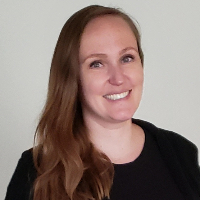
About Stephanie
Stephanie Lanza is a Licensed Marriage and Family Therapist (LMFT) based in California. She has eight years of clinical experience and helps people who are dealing with stress, anxiety, grief, depression, trauma, and related difficulties. Stephanie also supports parents who are navigating adoption and foster care challenges and people coping with life changes and compassion fatigue.
She works in a direct, down-to-earth way. Sessions focus on identifying practical steps clients can try between meetings.
Background and approach
Conversations often center on coping skills, behavior changes, and clearer thinking to manage daily stressors and strong emotions. Stephanie draws on client-centered methods to make the person feel heard and respected. She uses Cognitive Behavioral Therapy to spot unhelpful thinking and develop new patterns.
Solution-Focused Therapy helps set small, realistic goals and track progress. Trauma-focused work is part of her practice for people processing past harm or abuse. That work is paced to match each person’s tolerance and goals.
Stephanie combines approaches to fit what each client needs, rather than following a single formula. Her California license and eight years of experience guide how she plans treatment and sets goals with clients. Sessions are offered in English and are available in several online formats to suit different schedules and preferences.
The aim is steady, manageable improvement over time.
How therapy approaches translate to online care
Client-Centered Therapy focuses on listening and building rapport so people feel understood and respected. Online sessions use that same listening-first stance to help clients describe their concerns and set their own goals.Cognitive Behavioral Therapy, or CBT, helps people notice unhelpful thoughts and try different behaviors. In remote sessions this often includes homework between appointments, simple exercises to change thinking patterns, and step-by-step plans to reduce anxiety or depression.
Finding the right approach is part of the work together. The therapist will discuss options and help decide whether CBT, client-centered methods, trauma-focused work, or a mix makes the most sense based on a person’s needs and goals. The plan can shift as progress is made.
Online therapy offers flexibility in how sessions happen. Video calls are used for in-depth conversations and visual cues, phone sessions work when bandwidth is limited, and live chat or text messaging can fit quick check-ins or shorter exchanges. These options make it easier to fit therapy into busy days and to use formats that match comfort and practical needs.
Questions people ask
What concerns does she address?
What is her therapy style like?
How much clinical experience does she have?
What credentials and where is she located?
Which languages are supported for sessions?
What session formats are available?
How is cost handled?
How do I begin working with her?
What this therapist works with
Most often
Also listed
- Addictions
- ADHD
- Adoption and foster care
- Anger management
- Bipolar disorder
- Career difficulties
- Compassion fatigue
- Coping with life changes
- Depression
- Eating disorders
- Family conflicts
- Intimacy-related issues
- LGBT
- Parenting issues
- Post-traumatic stress
- Relationship issues
- Self esteem
Therapeutic approaches
- Experience
- 8 years
- Licensed
- California
- Languages
- English
We will earn a commission if you sign up through our link, at no cost to you.