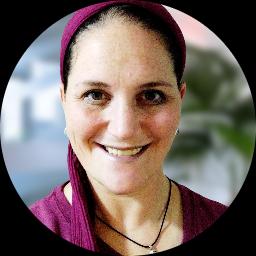
About Sheera
Sheera Scherman is a licensed clinical social worker with 18 years of experience helping people who want to understand themselves better and make meaningful changes. She works with clients who face anxiety, stress, grief, addictions, and other life challenges and focuses on practical steps that feel doable. She uses a client-centered style that starts by listening carefully to each person’s story.
Sheera believes clients bring their own strengths, and therapy is a place to notice and build on them.
Background and approach
Conversations are aimed at clarifying goals and finding small changes that add up. Cognitive Behavioral Therapy, used when helpful, focuses on the connection between thoughts, feelings, and actions. That approach helps with worry, panic, low mood, and habits people want to change.
Trauma-Focused Therapy is offered when past hurt keeps affecting daily life, and it looks at safe ways to process and move forward. Sessions can address a wide range of concerns including parenting stress, relationship trouble, workplace issues, ADHD, mood disorders, and coping with transitions. Sheera also supports people dealing with codependency, control issues, forgiveness, and recovery from substance use.
Sheera practices in New York and conducts therapy in English and Hebrew. She approaches each plan collaboratively, matching methods to a person’s needs and pace rather than following a fixed script.
Online approaches that meet you where you are
Sheera commonly uses Client-Centered Therapy, which centers on listening and building on a person's own strengths to set goals and try changes that feel manageable. This approach helps people who want steady support and a collaborative pace.Cognitive Behavioral Therapy (CBT) is used to identify unhelpful thought and behavior patterns and replace them with practical skills. CBT can be useful for anxiety, panic, worry, and mood challenges because it offers concrete tools to try between sessions.
Trauma-Focused Therapy is offered when past events continue to affect everyday life; it emphasizes safety, pacing, and techniques to reduce the hold of traumatic memories while supporting recovery.
Choosing the right approach is part of the work together. Sheera will talk with each person about goals, preferences, and what feels most useful, then tailor methods as therapy progresses. That makes the process collaborative rather than fixed.
Online sessions are available by video call, phone, live chat, or text-based messaging. Video is helpful for full conversations and visual cues, phone works well when bandwidth is limited, live chat allows shorter check-ins, and messaging is useful for ongoing support between appointments. These options make therapy easier to fit into busy lives and different schedules.
Questions people ask
What kinds of concerns does Sheera address?
How would you describe her therapy style?
What is her professional background?
What credentials and location are listed?
Which languages are available for sessions?
What session formats does she offer?
How are fees and payment handled?
How do I begin working with her?
What this therapist works with
Most often
- Addictions
- Trauma and abuse
- Parenting issues
Also listed
- ADHD
- Anger management
- Bipolar disorder
- Career difficulties
- Coaching
- Codependency
- Compassion fatigue
- Control issues
- Coping with life changes
- Depression
- Divorce and separation
- Eating disorders
- Family conflicts
- Forgiveness
- Grief
- Impulsivity
- LGBT
- Midlife crisis
- Mood disorders
- Narcissism
- Panic disorder and panic attacks
- Post-traumatic stress
- Relationship issues
- Self esteem
- Self-love
- Sexuality
- Smoking / vaping cessation
- Social anxiety and phobia
- Stress, Anxiety
- Workplace issues
Therapeutic approaches
- Experience
- 18 years
- Licensed
- New York
- Languages
- English, Hebrew
We will earn a commission if you sign up through our link, at no cost to you.