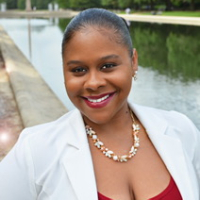
About Shauna
Dr. Shauna Snipes greets people who are feeling overwhelmed, anxious, or unsure about where to start. She is a Texas psychologist with a decade of experience and a straightforward, nonjudgmental approach.
She helps people talk through stress, anxiety, parenting concerns, mood changes, and relationship struggles. She earned a doctoral degree in clinical psychology and has been licensed in Texas since 2014. Over ten years she has worked across ages and settings, including services with people who have intellectual or developmental disabilities.
Background and approach
That work emphasized practical skill building for daily routines and clearer communication. Dr. Snipes uses a client-centered stance.
Sessions focus on what each person needs in the moment and move at a comfortable pace. She also draws from cognitive behavioral techniques to identify unhelpful thoughts and behaviors and from dialectical behavior tools to build emotion regulation and coping skills. Mindfulness practices and motivational interviewing are part of her toolbox when they match a person's goals.
Those methods are used to increase moment-to-moment awareness and to strengthen motivation for change. The mix of approaches is chosen with the individual's needs in mind rather than a one-size-fits-all plan. In sessions she aims to create a space where people can talk honestly about anxiety, grief, addiction, or life transitions.
She supports practical problem solving, skill practice, and steps toward clearer communication and better daily functioning.
How Dr. Snipes Uses Talk Therapy Online
Dr. Snipes draws from cognitive behavioral therapy and dialectical behavior therapy to guide online work. Cognitive behavioral therapy focuses on spotting and changing thoughts and behaviors that increase anxiety or low mood, which helps with panic, phobias, and everyday stress. Dialectical behavior therapy teaches concrete skills for managing strong emotions, improving distress tolerance, and strengthening relationships, which can be helpful for intense mood swings or impulsive reactions.Finding the right approach is part of the therapy process. She collaborates with each person to choose which methods fit their goals and situation. Together they try techniques, check what works, and adjust plans as needed rather than sticking to a single method from the start.
Online formats include video calls, phone sessions, live chat, and text-based messaging. Video calls let people work face to face when schedules allow. Phone sessions use less bandwidth and can fit a short check-in. Live chat or text-based messaging can be useful for brief updates, coping tools between sessions, or when writing feels easier than speaking. These options make it easier to keep therapy consistent around work, caregiving, and daily demands while still focusing on practical skills and progress.
Questions people ask
What kinds of concerns does she address?
What is her general therapy style?
How much clinical experience does she have?
What credentials and location are listed?
Which languages are sessions offered in?
Can international clients schedule sessions?
What session formats are available?
How are costs handled and how do subscriptions work?
What this therapist works with
Most often
- Stress, Anxiety
- Parenting issues
- Anger management
Also listed
- Addictions
- ADHD
- Aging and geriatric issues
- Antisocial personality
- Autism and Asperger Syndrome
- Bipolar disorder
- Coping with life changes
- Depression
- Family conflicts
- Family problems
- Grief
- Impulsivity
- Intellectual disability
- Intimacy-related issues
- Isolation / loneliness
- LGBT
- Mood disorders
- Obsessions, compulsions, and OCD
- Panic disorder and panic attacks
- Paranoia
- Personality disorders
- Phobias
- Relationship issues
- Self esteem
- Social anxiety and phobia
- Trauma and abuse
- Women's issues
Therapeutic approaches
- Experience
- 10 years
- Licensed
- Texas
- Languages
- English
We will earn a commission if you sign up through our link, at no cost to you.