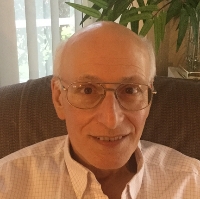
About Scott
Dr. Scott Anstadt is a licensed clinical social worker with 36 years of experience who focuses on stress and anxiety among many life challenges. He brings a practical, straightforward style and aims to help people handle day-to-day struggles.
Sessions emphasize honest conversation and useful tools to manage symptoms and regain a sense of control. He combines several approaches to fit each person's needs rather than using one fixed method. Cognitive Behavioral Therapy helps people notice and shift unhelpful thoughts and behaviors.
Background and approach
Acceptance and Commitment Therapy supports people in clarifying values and taking actions that matter to them. Attachment-based ideas guide work on relational patterns and emotional bonds. Dr.
Anstadt has worked in clinical settings and taught clinical courses at the university level for nearly a decade. He also draws on experience with grief, life transitions, addictions, mood issues, and caregiving fatigue. That background informs practical strategies and coaching that can be scheduled in flexible ways.
In online sessions he adapts session length and contact style to match a person’s routine. He often includes brief check-ins, longer focused sessions, or coaching-style touches when useful. Many people appreciate having options that fit around work and family demands.
He holds the credential Licensed Clinical Social Worker, LCSW, and the Kansas Licensed Specialist Clinical Social Worker, LSCSW. Dr. Anstadt practices from Kansas and offers services in English to international clients when scheduling allows.
How these approaches work online
Dr. Anstadt often uses Cognitive Behavioral Therapy and Acceptance and Commitment Therapy in online work. CBT focuses on identifying thoughts and behaviors that keep problems going and practicing small changes that reduce symptoms. ACT helps people name their values and take meaningful steps even when feelings are hard, which can help with anxiety, depression, and life transitions.He also draws on attachment-based ideas to look at how past relationship patterns shape current stress and connection. That work helps people notice habitual reactions and try new ways of relating that feel safer and more effective.
Finding the right approach is part of the process. The therapist will talk with each person about goals, preferences, and day-to-day life to decide which methods to use. This is a collaborative process and techniques are adjusted over time based on what helps most.
Online sessions offer flexibility in format and timing. Video calls let people use visual cues and role-play; phone sessions can be easier when bandwidth is limited; live chat and text messaging support brief check-ins or ongoing coaching between longer appointments. These options make it easier to fit therapy into work, caregiving, and travel schedules.
Questions people ask
What concerns does Dr. Anstadt address?
What is his therapeutic style like?
What is his background and experience?
What credentials and location are listed?
Which languages and international arrangements are supported?
What session formats are available?
How is cost handled?
How do I begin working together?
What this therapist works with
Most often
Also listed
- ADHD
- Aging and geriatric issues
- Anger management
- Attachment issues
- Bipolar disorder
- Career difficulties
- Coaching
- Commitment issues
- Communication problems
- Compassion fatigue
- Coping with life changes
- Depression
- Divorce and separation
- Eating disorders
- Family conflicts
- Forgiveness
- Guilt and shame
- Intimacy-related issues
- Isolation / loneliness
- LGBT
- Life purpose
- Mood disorders
- Multicultural concerns
- Narcissism
- Parenting issues
- Polyamory / non-monogamous relationships
- Post-traumatic stress
- Relationship issues
- Self esteem
- Self-love
- Sleeping disorders
- Social anxiety and phobia
- Trauma and abuse
Therapeutic approaches
- Experience
- 36 years
- Licensed
- Arizona, Kansas
- Languages
- English
We will earn a commission if you sign up through our link, at no cost to you.