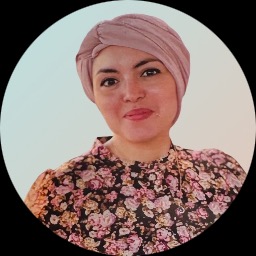
About Sanaa
Sanaa Baksh is a counsellor based in the United Kingdom who aims to make starting therapy less daunting. She welcomes people who are anxious, stressed, or struggling with low mood. Sanaa speaks English and Arabic and brings three years of clinical experience to her sessions.
She draws on a mix of structured and person-centred techniques to help people manage anxiety, panic attacks, stress and relationship strain. Sessions move at a pace that feels comfortable, and she balances practical tools with time to talk through feelings.
Background and approach
People can expect to work on communication, attachment patterns and self-esteem in ways that suit their day-to-day life. Sanaa also supports those navigating grief, guilt, cultural adjustment and immigration concerns. She offers help for people coping with domestic violence, isolation, or life changes such as end-of-life care for a loved one.
Discussions can include making sense of past hurts, forgiveness, and finding day-to-day coping strategies. She has a BA Hons degree in counselling and a Foundation Degree in Counselling Psychology, and holds a BACP membership. Her background includes studies and certificates in areas such as online counselling, counselling children and young people, and Islamic counselling.
This mix of study informs a respectful, culturally aware approach. Sessions are available in several online formats. Sanaa uses short and longer sessions to fit different needs, and she works collaboratively to set goals and monitor progress.
If someone prefers Arabic or English, she can offer counselling in either language.
Practical approaches and online counselling options
She blends evidence-based techniques that combine practical skills with emotional exploration. Cognitive behavioural techniques focus on identifying unhelpful thoughts and testing them with real-life experiments; this can help with panic, anxiety and unhelpful worry. Humanistic-informed work concentrates on listening, validating feelings and helping people find their own solutions; this is useful for low mood, self-esteem and relationship concerns.Choosing the right approach is part of the process. The therapist will work collaboratively to decide which methods fit best with a person’s goals, culture and preferences. Sessions can shift over time as needs change, and practical tools are reviewed together so they suit everyday life.
Online therapy offers flexibility and choice. Video calls are close to an in-person session and work well for in-depth conversations. Phone sessions use less bandwidth and can suit shorter check-ins. Live chat and text messaging let people share thoughts between meetings or use written reflection when that feels easier. Together these options make it simpler to fit counselling around work, family and other commitments.
Questions people ask
What concerns does she help with?
What is her therapeutic style like?
How much experience does she have?
What credentials and location are relevant?
Which languages are supported?
Which session formats are available?
How does pricing work?
How do I begin a course of therapy?
What this therapist works with
Most often
- Stress, Anxiety
- Relationship issues
- Family conflicts
Also listed
- Attachment issues
- Communication problems
- Control issues
- Coping with natural or human-caused disaster
- Depression
- Domestic violence
- Emptiness
- Family problems
- Forgiveness
- Guilt and shame
- Hospice and end-of-life counseling
- Immigration issues
- Isolation / loneliness
- Life purpose
- Multicultural concerns
- Panic disorder and panic attacks
- Phobias
- Post-traumatic stress
- Prejudice and discrimination
- Self esteem
- Self-love
- Social anxiety and phobia
- Women's issues
- Workplace issues
- Experience
- 3 years
- Licensed
- Languages
- English, Arabic
We will earn a commission if you sign up through our link, at no cost to you.