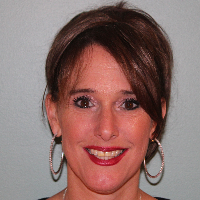
About Samantha
Samantha Whelan is an LPC who brings 14 years of clinical experience to her work. She aims to help people feel heard and to give practical steps for dealing with stress and anxiety. She uses straightforward talk, tools, and feedback so clients can try new ways of coping between sessions.
She spent much of her early career working with people facing addiction and serious mental health struggles. That time shaped how she looks at problems today - considering emotional, social, spiritual, and practical factors when planning change.
Background and approach
Her background includes work in both group and individual therapy settings. Samantha’s approach blends client-centered listening with cognitive behavioral techniques and motivational interviewing. She also uses mindfulness and psychodynamic ideas when they fit a person’s goals.
Sessions tend to focus on small, doable steps and on building skills that can be used in daily life. She speaks from personal experience with counseling and says that perspective helps her notice what feels validating to clients. Samantha emphasizes collaboration - the client’s agenda guides the work while she offers structure and practical tools.
Clients often bring concerns such as anxiety, depression, addiction, relationship and family issues, parenting strain, grief, anger, and coping with life changes. Samantha also supports work on issues like OCD, panic, mood disorders, ADHD, and intimacy or commitment questions. She holds LPC credentials and practices from Oklahoma.
How Samantha’s Approaches Work Online
Client-centered therapy focuses on listening and reflecting back what matters to a person. It helps people feel understood and decide what to change. Cognitive behavioral therapy looks at thoughts and behaviors and teaches clear skills for managing anxiety, panic, and mood problems. Mindfulness therapy adds simple attention and breathing practices to reduce reactivity and improve focus.Finding the right approach is part of the work. Samantha will talk with each person about goals and preferences and then try methods that fit. She treats the process as collaborative and adjusts tools over time based on what helps most.
Online sessions are offered by video call, phone, live chat, or text-based messaging to make therapy more flexible. Video calls allow face-to-face conversation, phone sessions can work with lower bandwidth, live chat suits a quick check-in, and messaging helps with brief, ongoing support between meetings. These options let people fit therapy into busy schedules and use the format that matches their needs.
Questions people ask
What problems does Samantha commonly address?
How would you describe her therapy style?
How much clinical experience does she have?
What credentials and location are listed?
Can people who speak other languages work with her?
Which session formats does she provide?
How are costs and billing handled?
What is the first step to start working with her?
What this therapist works with
Most often
- Stress, Anxiety
- Addictions
- Relationship issues
Also listed
- ADHD
- Anger management
- Bipolar disorder
- Career difficulties
- Coaching
- Commitment issues
- Control issues
- Coping with life changes
- Dependent personality
- Depression
- Divorce and separation
- Drug and alcohol addiction
- Family conflicts
- Family problems
- Fertility issues
- Forgiveness
- Grief
- Infidelity
- Intimacy-related issues
- Mood disorders
- Obsessions, compulsions, and OCD
- Panic disorder and panic attacks
- Parenting issues
- Post-traumatic stress
- Self esteem
- Trauma and abuse
Therapeutic approaches
- Experience
- 14 years
- Licensed
- Oklahoma, Alabama, New Hampshire, Arizona
- Languages
- English
We will earn a commission if you sign up through our link, at no cost to you.