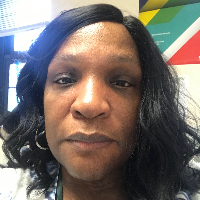
About Paula
Paula Odom is a Licensed Clinical Social Worker (LCSW) based in New York. She brings six years of clinical experience to her work and focuses on stress and anxiety among other concerns. Paula offers a straightforward and supportive style that helps people talk through what matters most to them.
Paula uses approaches that center the person in front of her. She blends client-centered conversation with practical cognitive-behavioral tools to help people notice unhelpful thoughts and try new behaviors.
Background and approach
Mindfulness skills are woven into sessions to help with stress, grounding, and emotional regulation. Her practice includes work with trauma and abuse, parenting and family-related stress, addiction concerns, grief, and relationship and intimacy issues. She also addresses challenges such as low self-esteem, anger, career transitions, and compassion fatigue.
Additional focuses include adoption and foster care, attachment and blended family issues, caregiver stress, communication problems, domestic violence, and multicultural concerns. Paula pays attention to how discrimination and prejudice affect mental health. She uses motivational interviewing and solution-focused strategies when people want to clarify goals or take small steps toward change.
Sessions are collaborative and paced to each person's needs. People can expect clear, practical suggestions alongside empathic listening. Paula helps set achievable goals and practices skills between sessions.
The aim is steady progress that fits into everyday life.
Practical therapies adapted for online care
Client-centered therapy focuses on listening, empathy, and building a strong working relationship. It helps people feel heard and clarifies what they want to change. Cognitive Behavioral Therapy or CBT looks at the links between thoughts, feelings, and actions and teaches concrete skills to reduce anxiety and manage mood. Dialectical Behavior Therapy or DBT includes skills for emotional regulation and distress tolerance that are useful when feelings feel overwhelming.Choosing the right approach is collaborative. The therapist will talk with each person about their goals and preferences and suggest methods that fit those needs. Plans are adjusted over time so strategies stay useful and realistic for daily life.
Online sessions can be scheduled as video calls, phone sessions, live chat, or text-based messaging to fit different routines. Video helps recreate a face-to-face conversation, phone calls require less bandwidth, live chat can suit quick check-ins, and messaging supports shorter exchanges and written reflections. These options make it easier to work around work, caregiving, or travel, and let people practice new skills between sessions.
Questions people ask
What concerns does Paula address?
What is her therapy style like?
What experience does she have?
What credentials and location are listed?
In which languages can people work with her?
Which session formats are offered?
How much do sessions cost?
How do I begin working with Paula?
What this therapist works with
Most often
- Stress, Anxiety
- Family conflicts
- Trauma and abuse
Also listed
- Addictions
- Adoption and foster care
- Anger management
- Attachment issues
- Bipolar disorder
- Blended family issues
- Career difficulties
- Caregiver issues and stress
- Coaching
- Communication problems
- Compassion fatigue
- Coping with life changes
- Depression
- Domestic violence
- Grief
- Intimacy-related issues
- LGBT
- Multicultural concerns
- Parenting issues
- Prejudice and discrimination
- Relationship issues
- Self esteem
Therapeutic approaches
- Experience
- 6 years
- Licensed
- New York
- Languages
- English
We will earn a commission if you sign up through our link, at no cost to you.