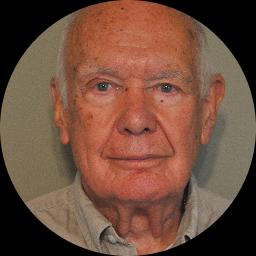
About Paul
Paul D. Wess is a licensed professional clinical counselor with three decades of experience. He practices in Ohio and brings long experience helping people who struggle with anxiety, stress, mood concerns, and trauma.
He speaks English and Estonian and uses a mix of talking and practical strategies in sessions. Paul holds master’s degrees in psychology and sociology and completed additional doctoral-level coursework reflected in a C.A.G.S. Those academic steps shaped his approach to complex emotional and relational problems.
Background and approach
He draws on a broad clinical background rather than a single method. In sessions he pays attention to thoughts, feelings, body sensations, and life meaning. That means talking about what is happening now and trying small, doable changes between sessions.
He helps people notice patterns that add to anxiety or depression and tests new ways to respond. Paul often works with issues tied to trauma, grief, addiction, and relationship strain. He also helps people facing identity, intimacy, and purpose questions.
Treatment aims to reduce overwhelming symptoms while building everyday coping and clearer communication. His style is steady and practical. He aims to make therapy understandable and useful for day-to-day life.
People looking for help with panic, mood swings, compulsive behaviors, or recovery from past harm may find his experience helpful.
Practical therapy approaches for online care
Paul uses Cognitive Behavioral Therapy and Acceptance and Commitment Therapy as part of his online work. CBT helps people identify unhelpful thoughts and test new behaviors to reduce anxiety and panic. Acceptance and Commitment Therapy focuses on values and willingness to sit with difficult feelings while taking action toward a meaningful life.Finding the right approach is a collaborative process. Paul will talk with each person about goals, preferences, and daily challenges, then try methods that fit. Together they adjust what is working and change course if needed so the work stays useful.
Online sessions can be held by video, phone, live chat, or text-based messaging. Video lets people read facial cues and work more interactively. Phone calls can be a good option when bandwidth is limited or a shorter check-in is needed. Live chat and text messaging work for brief coaching, progress updates, or when writing helps clarify thoughts. These options make it easier to fit therapy into busy lives and maintain steady work on anxiety and related concerns.
Questions people ask
What concerns does Paul commonly address?
What is his therapeutic style like?
How long has he been practicing?
What credentials and location are listed?
Which languages are supported in sessions?
What session formats are available?
How are costs handled?
How do I begin working with him?
What this therapist works with
Most often
- Stress, Anxiety
- Trauma and abuse
- Anger management
Also listed
- Abandonment
- Addictions
- Attachment issues
- Bipolar disorder
- Coaching
- Communication problems
- Compassion fatigue
- Control issues
- Coping with life changes
- Depression
- Family conflicts
- Forgiveness
- Grief
- Guilt and shame
- Impulsivity
- Intimacy-related issues
- Isolation / loneliness
- Life purpose
- Men's issues
- Mood disorders
- Panic disorder and panic attacks
- Post-traumatic stress
- Relationship issues
- Self esteem
- Self-love
- Sexuality
- Social anxiety and phobia
Therapeutic approaches
- Experience
- 30 years
- Licensed
- Ohio
- Languages
- English, Estonian
We will earn a commission if you sign up through our link, at no cost to you.