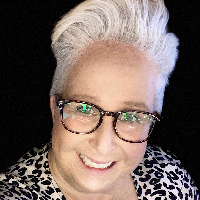
About Patricia
Patricia Hall is a Licensed Professional Counselor (LPC) based in Virginia who helps people facing anxiety, stress, depression, and trauma. She aims to create space where people can speak openly and begin to feel more steady. Patricia works in a direct, practical way and focuses on real-life steps that can relieve daily pressure.
Patricia draws on a trauma-focused outlook when trauma or abuse is part of the story. She also uses client-centered methods to follow each person's priorities.
Background and approach
Cognitive Behavioral Therapy, or CBT, is part of her toolkit when clients want to change unhelpful thoughts and routines. Her experience includes outpatient and inpatient settings, and she has worked with children, teens, and adults. She also mentions a strong interest in supporting LGBT people and helping them be their authentic selves.
That interest informs how she listens and plans care. In sessions Patricia uses clear tools and steady support. She helps people break problems into smaller steps, practice new skills, and try changes between sessions.
Common concerns she addresses include panic, mood disorders, addiction issues, parenting strain, grief, and coping with life changes. Outside of work she spends time with her teenaged child and enjoys outdoor activities. She is involved with the local animal shelter and shares her home with several dogs.
These personal details shape a warm, down-to-earth style in her work.
Approaches that translate well to online therapy
Client-Centered Therapy focuses on listening and following the client's own goals. In practice this means sessions start with what matters most to the person and build from there, which works well in video or phone sessions. Cognitive Behavioral Therapy, or CBT, looks at patterns of thoughts and behaviors and teaches practical strategies to change them; it often includes brief exercises and homework that translate easily to messaging or video work.Finding the right approach is part of the process. Patricia will talk with the client about goals and preferences and then suggest ideas to try. Decisions are collaborative and can shift as needs change over time.
Online therapy offers flexibility. Video calls are closest to an in-person meeting and suit deeper work. Phone sessions can be easier when someone needs less bandwidth or prefers not to be on camera. Live chat and text-based messaging are useful for short check-ins, skill practice, or when a written record of tools helps with follow-through.
Questions people ask
What concerns does Patricia help with?
What is her style of therapy?
What is her clinical background?
Where is she licensed and located?
Which languages and international options are available?
Which session formats does she use?
How are costs handled?
How do I begin working with her?
What this therapist works with
Also listed
- Addictions
- ADHD
- Anger management
- Bipolar disorder
- Compassion fatigue
- Control issues
- Coping with life changes
- Dependent personality
- Depression
- Disruptive Mood Dysregulation Disorder (DMDD)
- Drug and alcohol addiction
- Family conflicts
- Gender dysphoria
- Grief
- Guilt and shame
- Impulsivity
- LGBT
- Mood disorders
- Panic disorder and panic attacks
- Paranoia
- Parenting issues
- Personality disorders
- Post-traumatic stress
- Postpartum depression
- Relationship issues
- Seasonal Affective Disorder (SAD)
- Self-harm
- Sexuality
- Social anxiety and phobia
- Young adult issues
Therapeutic approaches
- Experience
- 5 years
- Licensed
- Virginia
- Languages
- English
We will earn a commission if you sign up through our link, at no cost to you.