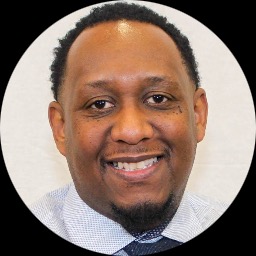
About O'Brien
O'Brien Wimbish, MD, LCPC focuses on stress and anxiety along with relationship and intimacy concerns. He also addresses LGBT issues, family strain, and related worries such as body image, isolation, and sexual concerns. He uses clear, practical steps to help people manage symptoms and improve day-to-day functioning.
O'Brien approaches sessions with a collaborative tone. He listens first and helps people set specific goals. He offers tools people can use between visits, like simple breathing or communication exercises.
Background and approach
Sessions aim to be straightforward and solution-oriented while honoring each person’s values. He draws on evidence-based therapeutic techniques and blends them with attention to attachment and trauma when relevant. That means he may guide someone to notice unhelpful thought patterns, practice grounding exercises for stress, or try new ways of relating to a partner.
The focus is on skills that fit a person’s life rather than jargon or long lectures. O'Brien brings nine years of professional counseling experience combined with prior work in ministry and leadership. His background informs his interest in faith integration and men’s issues, though he adapts work to each person’s needs.
He practices in Maryland and holds the credentials MD and Licensed Clinical Professional Counselor, LCPC. People who choose him can expect clear explanations of methods, concrete homework when useful, and conversations that respect their beliefs and identity. He aims to help clients build resilience and practical routines for managing anxiety and relationship stress.
Evidence-based approaches and online care
O'Brien uses evidence-based therapeutic techniques that focus on changing unhelpful thinking and building new habits. One common approach involves noticing and testing automatic thoughts so anxiety and stress feel more manageable; this helps with worry, panic, and daily stressors. He also draws on attachment-informed work that looks at how early relationship patterns shape current intimacy and communication problems; this can help people improve trust and set clearer boundaries.Finding the right approach is a shared process. He discusses options with each person, considers goals and preferences, and adjusts methods over time. The emphasis is on what helps the individual make steady progress rather than fitting everyone to a single model.
Online sessions are offered by video call, phone, live chat, or text-based messaging to provide flexible ways to connect. Video is useful for deeper conversations and visual cues, phone sessions work well when bandwidth is limited, live chat suits brief check-ins, and text messaging supports shorter updates or between-session contact. These options make it easier to fit therapy into work, caregiving, or busy schedules while keeping sessions consistent and goal-focused.
Questions people ask
What kinds of concerns does he help with?
How would you describe his therapy style?
What is his professional background?
Where is he located and what are his credentials?
Which languages are supported?
What formats are available for sessions?
How are fees and billing handled?
How do I begin the process?
What this therapist works with
Most often
- Stress, Anxiety
- LGBT
- Relationship issues
Also listed
- Attachment issues
- Body image
- Communication problems
- Domestic violence
- Family conflicts
- Forgiveness
- Guilt and shame
- Intimacy-related issues
- Isolation / loneliness
- Men's issues
- Midlife crisis
- Post-traumatic stress
- Prejudice and discrimination
- Self-love
- Sex addiction
- Sexual assault and abuse
- Sexual dysfunction
- Sexuality
- Somatization
- Women's issues
- Young adult issues
- Experience
- 9 years
- Licensed
- Maryland
- Languages
- English
We will earn a commission if you sign up through our link, at no cost to you.