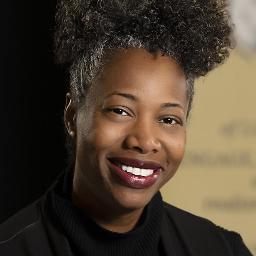
About Monique
Dr. Monique Thompson is a Licensed Professional Counselor (LPC) in Texas with 23 years of clinical experience. She brings a direct, solution-minded style to sessions and aims to help people manage stress, anxiety, relationship strain, depression, bipolar symptoms, and the long-term effects of trauma.
Her approach is practical and focused on real-life changes. She asks questions that help clarify values, uncover core motivations, and paint a picture of daily life after change.
Background and approach
Many people find this clear, goal-oriented style easier to follow during hard moments. Dr. Thompson has worked extensively with survivors of sexual trauma and with people recovering from addictive behaviors and relationship infidelity.
She also supports adults who are navigating mood disorders or who are adjusting after hospitalization. Her background includes both individual and group work and pre-surgery psychological evaluations. Sessions aim to combine short-term coping tools with deeper work on attachment, communication, and meaning.
She uses methods drawn from Acceptance and Commitment Therapy, cognitive behavioral approaches, and client-centered practices to address patterns that keep people stuck. Gottman-informed techniques are used when relationship repair is a focus. Outside of therapy she authored Infidelity Recovery Workbook for Couples: Tools and Exercises to Rebuild Your Relationship, published in 2021.
That work reflects her interest in concrete exercises clients can use between sessions to rebuild trust and repair communication.
Therapeutic approaches for online care
Acceptance and Commitment Therapy (ACT) helps people notice what matters to them and take small actions toward those values even when anxiety or fear shows up. Cognitive Behavioral Therapy (CBT) focuses on changing unhelpful thinking and behavior patterns to reduce symptoms and improve daily functioning. Client-Centered Therapy emphasizes listening, empathy, and building a trusting relationship so people can find their own solutions and feel heard.Choosing an approach is a collaborative process. The therapist will talk with each person about goals, past experiences, and what feels most useful. Together they will try methods that fit the person's needs and adjust the plan as progress is made.
Online sessions are offered by video calls, phone, live chat, or text-based messaging to make therapy more flexible. Video is useful when visual cues and deeper conversation matter. Phone calls can be easier when bandwidth is limited or a person prefers not to use video. Chat and text-based messaging are helpful for short check-ins, written reflections, or scheduling between sessions. These options allow therapy to fit around work, caregiving, and travel while keeping continuity of care.
Questions people ask
What concerns does Dr. Thompson commonly address?
How would you describe her therapeutic style?
How much clinical experience does she have?
What are her credentials and where is she based?
Can sessions be conducted in languages other than English?
What session formats does she offer online?
How are costs handled for sessions?
How do I begin working with her?
What this therapist works with
Most often
- Stress, Anxiety
- Relationship issues
- Trauma and abuse
Also listed
- Abandonment
- Aging and geriatric issues
- Attachment issues
- Bipolar disorder
- Caregiver issues and stress
- Communication problems
- Control issues
- Coping with natural or human-caused disaster
- Depression
- Divorce and separation
- Family of origin issues
- Forgiveness
- Guilt and shame
- Infidelity
- Isolation / loneliness
- Life purpose
- Midlife crisis
- Money and financial issues
- Mood disorders
- Multicultural concerns
- Post-traumatic stress
- Prejudice and discrimination
- Self-love
- Sexual assault and abuse
- Social anxiety and phobia
- Women's issues
- Workplace issues
Therapeutic approaches
- Experience
- 23 years
- Licensed
- Texas
- Languages
- English
We will earn a commission if you sign up through our link, at no cost to you.