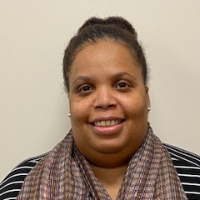
About Michelle
Dr. Michelle Turnbough brings a practical, person-focused approach to therapy. She combines direct listening with problem-solving tools to help people manage stress, anxiety, addiction concerns, and relationship strain.
Dr. Turnbough uses straightforward methods so clients can set realistic goals and take concrete steps forward. She trained and practices as an LCPC in Illinois and draws on 13 years of counseling experience.
Her background includes long-term work in social services and addiction treatment, along with leadership roles in clinical settings.
Background and approach
That experience shaped a calm, no-nonsense style that centers on respect and dignity. In sessions she blends client-centered listening with cognitive behavioral techniques and motivational interviewing. That mix helps people notice unhelpful thoughts, try new behaviors, and stay motivated when change feels hard.
She also uses solution-focused and trauma-focused ideas when a shorter, goal-oriented plan or careful trauma work fits the situation. Common concerns she addresses include anxiety, panic, depression, grief, substance use, parenting stress, workplace issues, and coping with life changes. Dr.
Turnbough also supports people working through guilt, shame, isolation, and multicultural concerns. She aims to make steps feel manageable rather than overwhelming. Clients can expect a warm, respectful tone and practical homework when it will help.
The work is collaborative - goals are set together and reviewed along the way. Dr. Turnbough encourages self-compassion and small, steady progress toward meaningful change.
How practical therapies work online
Dr. Turnbough uses client-centered methods that focus on listening, empathy, and the client’s own goals. This approach helps people clarify what matters to them and guides each step of the work toward those goals.She also draws on cognitive behavioral therapy, which looks at the link between thoughts, feelings, and actions. CBT offers concrete skills for managing anxiety, panic attacks, low mood, and unhelpful thinking patterns through practical exercises and small behavioral changes.
Finding the right approach is part of the process. She will discuss goals, preferences, and current challenges and then suggest which methods to try first. The plan is collaborative and can shift over time based on what is helpful.
Online sessions can be scheduled as video calls, phone sessions, live chat, or text-based messaging. Video is useful for longer therapy conversations and skills practice. Phone sessions can be easier when bandwidth or camera use is not practical. Live chat and messaging are good for shorter check-ins, coaching-style support, or when a written record of the discussion is helpful. These options make it easier to fit therapy into work, parenting, or travel schedules while maintaining continuity of care.
Questions people ask
What issues does this therapist commonly address?
How would you describe her therapy style?
What is her clinical background?
What credentials and location are listed?
Which languages and international options are available?
What session formats does she offer?
How is cost handled for sessions?
How do I begin working with this therapist?
What this therapist works with
Most often
- Stress, Anxiety
- Addictions
- Parenting issues
Also listed
- Anger management
- Coaching
- Compassion fatigue
- Coping with life changes
- Depression
- Domestic violence
- Drug and alcohol addiction
- Family conflicts
- Forgiveness
- Grief
- Guilt and shame
- Isolation / loneliness
- Life purpose
- Mood disorders
- Multicultural concerns
- Panic disorder and panic attacks
- Post-traumatic stress
- Relationship issues
- Self esteem
- Self-love
- Trauma and abuse
- Workplace issues
- Young adult issues
Therapeutic approaches
- Experience
- 13 years
- Licensed
- Illinois
- Languages
- English
We will earn a commission if you sign up through our link, at no cost to you.