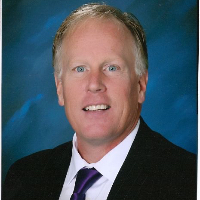
About Michael
Michael Rhine is a licensed mental health counselor in Washington with 27 years of experience. He helps people who are dealing with stress, anxiety, depression, addiction, and the fallout from trauma. He aims to make therapy straightforward and respectful so people can feel heard and understood.
His sessions are described as warm and interactive. Michael listens first and then helps set clear goals. He avoids stigmatizing labels and focuses on practical steps people can use between meetings.
Background and approach
He draws on several therapy styles to match what each person needs. That can include cognitive-behavioral techniques to change unhelpful thinking, mindfulness and acceptance tools to reduce struggle, and emotion-focused work to deepen connection with feelings. Michael also brings trauma-informed care into plans when past hurt shapes present life.
Over nearly three decades Michael has supported people managing parenting stress, workplace pressure, relationship strain, and problems with substance use. He also addresses attachment and family-of-origin issues, caregiver stress, and forgiveness work when those come up in sessions. Therapy can be a mix of teaching new skills, practicing them together, and making a realistic plan for daily life.
Michael works with each person to build steps that fit their goals and rhythm. The emphasis is on steady progress and practical coping. If someone is ready to begin, the process starts by answering a short matching questionnaire and scheduling a session according to the platform workflow.
How therapeutic approaches fit into online care
Acceptance and Commitment Therapy, or ACT, focuses on noticing thoughts and feelings without getting hooked by them and committing to actions that match a person's values. It can help when anxiety or avoidance gets in the way of living the life someone wants.Cognitive Behavioral Therapy, CBT, looks at the links between thoughts, feelings, and behaviors and teaches tools to shift unhelpful patterns. It is useful for anxiety, depression, phobias, and many everyday problems.
Finding the right approach is part of the work. The therapist will talk with each person about goals, try approaches, and adjust plans together so the methods fit needs and preferences. That collaborative process helps make sessions feel useful and focused.
Online therapy offers flexible ways to meet. Video calls allow face-to-face conversation for skills work and emotion-focused work. Phone sessions use less data and can be easier when movement or bandwidth is a concern. Live chat and text-based messaging are useful for brief check-ins, skill reminders, or when writing helps someone organize thoughts.
These formats let people fit therapy into busy lives and continue steady work toward goals with a licensed professional guiding the process.
Questions people ask
What concerns does Michael commonly address?
What is his general therapy style?
How much experience does he have?
What credentials and location are listed?
Which languages are available for sessions?
What session formats are offered?
How does cost and billing work?
How do I begin working with him?
What this therapist works with
Also listed
- ADHD
- Anger management
- Attachment issues
- Career difficulties
- Caregiver issues and stress
- Coaching
- Codependency
- Compassion fatigue
- Coping with life changes
- Depression
- Divorce and separation
- Drug and alcohol addiction
- Family conflicts
- Family of origin issues
- Family problems
- Fatherhood issues
- First responder issues
- Forgiveness
- Guilt and shame
- Life purpose
- Parenting issues
- Phobias
- Post-traumatic stress
- Relationship issues
- Self esteem
- Workplace issues
Therapeutic approaches
- Experience
- 27 years
- Licensed
- Washington
- Languages
- English
We will earn a commission if you sign up through our link, at no cost to you.