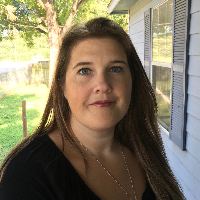
About Melanie
Melanie Mullins is a licensed mental health counselor who brings eight years of practice to her work. She holds LMHC and LPC credentials and sees clients from New York. Melanie aims to offer a calm space where people can say what’s on their mind and be heard without judgment.
She focuses on practical steps to reduce anxiety and manage stress. Melanie uses clear, behavior-oriented tools to help people find areas where they have control.
Background and approach
Sessions often include problem-solving and skill building to improve mood and daily functioning. Her style is warm and straightforward. Conversations emphasize understanding your experience first, then trying small changes that add up.
Melanie explains ideas plainly and checks in often to make sure an approach feels right for the person in front of her. Common concerns she addresses include anxiety, grief, depression, trauma and abuse, sleep and eating problems, and difficulties with focus and attention. She also supports people facing work stress, relationship strain, caregiver fatigue, and changes that come with major life events.
Melanie draws on methods such as cognitive behavioral techniques, acceptance-based ideas, and motivational interviewing to tailor a plan. Sessions may include practicing new skills, setting concrete goals, and tracking progress between meetings. This hands-on approach helps people try different ways of coping and notice what works.
People who prefer clear guidance and practical tools tend to fit well with her approach. Melanie helps clients figure out next steps and builds plans they can use in daily life.
Therapeutic approaches and online care that fit your life
Acceptance and Commitment Therapy helps people notice difficult thoughts and feelings without getting stuck in them, then commit to actions that match their values. It can be useful for anxiety, stress, and coping with life changes. Cognitive Behavioral Therapy focuses on the link between thoughts, behaviors, and mood, and teaches concrete skills to reduce anxious thinking and improve sleep and daily routines. Motivational Interviewing uses supportive conversation to help people clarify what they want to change and build motivation to try new behaviors.Finding the best approach is a collaborative process. The therapist will listen to your goals and preferences, try methods that seem promising, and adjust the plan based on what helps. This way you and the therapist decide together which strategies to keep and which to modify over time.
Online therapy offers flexible ways to meet using video calls, phone sessions, live chat, or text-based messaging. Video works well for in-depth conversations and skill practice. Phone sessions can fit into a work break or require less bandwidth. Live chat and text messages allow brief check-ins, homework support, or ongoing encouragement between sessions. These options make it easier to keep therapy consistent while fitting it into a busy schedule.
Questions people ask
What concerns does Melanie address?
How would you describe her therapy style?
What is her clinical background?
Where is she licensed and based?
Which languages are available for sessions?
What session formats does she offer?
How are costs and payment handled?
How do I begin working with her?
What this therapist works with
Most often
Also listed
- Abandonment
- Addictions
- ADHD
- Anger management
- Antisocial personality
- Avoidant personality
- BDSM, kink, and alternative sex culture
- Bipolar disorder
- Cancer
- Career difficulties
- Caregiver issues and stress
- Commitment issues
- Communication problems
- Compassion fatigue
- Control issues
- Coping with life changes
- Depression
- Divorce and separation
- Domestic violence
- Eating disorders
- Family conflicts
- Family problems
- Fertility issues
- First responder issues
- Guilt and shame
- Intimacy-related issues
- Life purpose
- Midlife crisis
- Money and financial issues
- Mood disorders
- Narcissism
- Parenting issues
- Personality disorders
- Post-traumatic stress
- Relationship issues
- Seasonal Affective Disorder (SAD)
- Self esteem
- Self-love
- Sexual assault and abuse
- Sexual dysfunction
- Sleeping disorders
- Traumatic brain injury
- Veteran and Armed Forces Issues
- Women's issues
- Workplace issues
Therapeutic approaches
- Experience
- 8 years
- Licensed
- Connecticut, New York
- Languages
- English
We will earn a commission if you sign up through our link, at no cost to you.