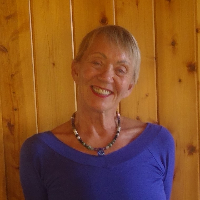
About Mary
Mary Schoen is a licensed independent clinical social worker (LICSW) in Minnesota with 17 years of experience. She adopts a nonjudgmental approach and meets people where they are. Mary focuses on helping people manage anxiety, stress, depression, grief, and addiction so they can move past roadblocks and live more fully.
Mary believes clients guide the work. She listens first, then suggests practical steps that fit each person's situation. Sessions can include talking through difficult feelings, learning new coping skills, and planning small behavior changes to reduce day-to-day stress.
Background and approach
Her background includes work across community and clinical settings. That experience shaped a flexible style that blends different approaches to match a client's needs. She has helped people with relationship struggles, parenting strain, and problems tied to trauma and loss.
Mary integrates methods from acceptance and commitment therapy and cognitive behavioral therapy with client-centered and attachment-based ideas. This means she often focuses on values, practical skill-building, and strengthening what matters in relationships. She tailors techniques rather than using a one-size-fits-all plan.
Sessions are offered via video calls, phone, live chat, or text-based messaging to fit different schedules. Mary communicates in English and practices in Minnesota. The work is collaborative and aimed at steady, workable changes over time.
Therapeutic approaches adapted for online care
Mary commonly draws on acceptance and commitment therapy and cognitive behavioral therapy to guide online sessions. Acceptance and commitment therapy focuses on clarifying personal values and learning ways to accept difficult feelings while taking steps toward a meaningful life. Cognitive behavioral therapy looks at thoughts and behaviors and teaches concrete techniques to reduce anxiety, improve mood, and change unhelpful patterns.Finding the right approach is part of the work together. The therapist will work collaboratively to see which methods match a person's goals, preferences, and the concerns they bring. That collaborative process can include trying techniques, checking what helps, and adjusting the plan over time.
Online formats include video calls, phone sessions, live chat, and text-based messaging. Video is useful when visual connection helps the work. Phone sessions can be easier when a lower-bandwidth option or hands-free conversation is needed. Live chat and text messaging support brief check-ins, coaching-style exchanges, or ongoing encouragement between longer sessions. These options make scheduling more flexible and can help therapy fit into a busy life.
Questions people ask
What kinds of concerns does Mary address?
How would you describe her therapeutic style?
What is her professional background?
Where is she based and what credential does she hold?
Which languages are supported for sessions?
What session formats are available?
How does payment and cost work?
How do I begin working with her?
What this therapist works with
Also listed
- Abandonment
- ADHD
- Aging and geriatric issues
- Anger management
- Antisocial personality
- Attachment issues
- Bipolar disorder
- Blended family issues
- Body image
- Career difficulties
- Caregiver issues and stress
- Coaching
- Codependency
- Commitment issues
- Communication problems
- Compassion fatigue
- Control issues
- Coping with life changes
- Coping with natural or human-caused disaster
- Depression
- Family conflicts
- Grief
- Intimacy-related issues
- LGBT
- Parenting issues
- Relationship issues
- Self esteem
- Sleeping disorders
Therapeutic approaches
- Experience
- 17 years
- Licensed
- Minnesota
- Languages
- English
We will earn a commission if you sign up through our link, at no cost to you.