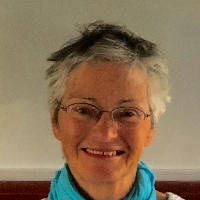
About Mary
Mary Aubrey is a Licensed Independent Clinical Social Worker with 40 years of practice. She provides calm, practical support for people facing stress, anxiety, depression, grief, relationship strain, and life changes. Mary listens first and asks clear questions to understand what matters to each person.
She has worked in college mental health, community agencies, crisis intervention, hospitals, and independent practice. That mix means she is used to short-term crisis work and longer-term therapy.
Background and approach
Mary draws on what fits a person best rather than following one single method. In sessions she helps set simple, measurable goals and checks progress along the way. She uses talk, problem-solving, and homework tasks when those tools help.
People often seek her out for panic and anxiety, managing stress, addictions or eating concerns, and family or relationship problems. Mary earned her Master of Social Work in 1985 from Smith College School for Social Work and holds an MA LICSW in Massachusetts. She speaks English and works with adults across a broad range of concerns and life stages.
Her experience includes trauma, PTSD, caregiving stress, career conflicts, and issues around identity and intimacy. Her style is collaborative and down-to-earth. She focuses on what is happening now, what you want to change, and small steps to get there.
Sessions are structured but flexible to match a person’s pace and priorities.
Approaches that translate well to online care
Mary most often uses Cognitive Behavioral Therapy and Solution-Focused Therapy in her online work. Cognitive Behavioral Therapy (CBT) focuses on identifying thoughts and behaviors that keep problems going and trying specific exercises to change them; it is often used for anxiety, panic, and depression. Solution-Focused Therapy centers on small, practical steps and on building what already works in your life; it helps when you want concrete changes and short-term progress.Finding the right approach is part of the work together. Mary will talk with each person about goals, preferences, and what feels most useful. She adapts methods to match your priorities and checks in regularly to see if the approach is helping.
Online sessions are offered by video calls, phone, live chat, or text-based messaging to give flexibility. Video works well for in-depth conversation and visual cues. Phone sessions can fit a break at work or be easier when video is not needed. Live chat and text messaging let you check in between sessions or handle brief updates and homework. These options make it easier to keep therapy consistent when life gets busy or plans change.
Questions people ask
What concerns does Mary commonly address?
How would you describe her therapeutic style?
What is her clinical background and experience?
What credentials does she hold and where is she based?
Which languages are sessions offered in?
What session formats are available?
How does cost and payment work?
How do I begin working with Mary?
What this therapist works with
Most often
- Stress, Anxiety
- Relationship issues
- Family conflicts
Also listed
- Addictions
- Anger management
- Body image
- Career difficulties
- Caregiver issues and stress
- Codependency
- Commitment issues
- Communication problems
- Compassion fatigue
- Control issues
- Coping with life changes
- Depression
- Divorce and separation
- Eating and food-related issues
- Eating disorders
- Family of origin issues
- Family problems
- Forgiveness
- Grief
- Guilt and shame
- Intimacy-related issues
- Isolation / loneliness
- LGBT
- Life purpose
- Midlife crisis
- Panic disorder and panic attacks
- Parenting issues
- Self esteem
- Self-love
- Social anxiety and phobia
- Trauma and abuse
- Women's issues
Therapeutic approaches
- Experience
- 40 years
- Licensed
- Massachusetts
- Languages
- English
We will earn a commission if you sign up through our link, at no cost to you.