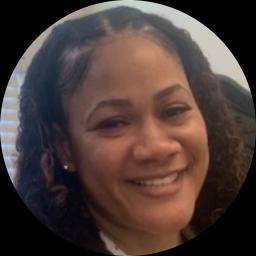
About Lyssa
Lyssa Solomon Simpson is a Licensed Professional Counselor (LPC) based in Georgia with ten years of experience. She focuses on helping people manage stress, anxiety, low self-esteem, depression, and anger. She also supports those navigating LGBT concerns and young adult issues.
Lyssa uses practical talk and steady support to help clients take small steps toward feeling better. Lyssa believes the client is the expert on their own story. She centers conversations on a person’s strengths and goals.
Background and approach
Sessions typically involve clear, goal-focused discussions and concrete coping strategies rather than long lectures. Her work draws on cognitive behavioral techniques to spot unhelpful thinking and try new ways of responding. She also uses client-centered methods that emphasize listening and building a respectful, trusting relationship.
Motivational interviewing helps when someone feels stuck or unsure about making a change. Lyssa often focuses on real-life problems like communication breakdowns, impulsivity, social anxiety, phobias, and mood swings. She also has experience with trauma-related concerns including post-traumatic stress and self-harm behaviors, and with challenges tied to adoption and abandonment.
Sessions move at a person’s pace and aim for workable tools that fit everyday life. Lyssa helps people practice new skills and track what helps over time. The goal is clearer thinking, steadier moods, and more confidence in facing daily challenges.
Approaches that guide online sessions and practical benefits
Client-centered therapy focuses on listening and understanding. The therapist offers acceptance and reflection so people can explore goals at their own pace. This approach helps with self-esteem, identity concerns, and building confidence.Cognitive Behavioral Therapy, or CBT, looks at how thoughts, feelings, and actions connect. Sessions include identifying unhelpful thinking patterns and practicing different responses. CBT is useful for anxiety, phobias, mood challenges, and everyday stress management.
Finding the right approach is part of the work together. The therapist will discuss methods and tailor them to a person’s goals and preferences. This collaborative process lets clients try strategies and adjust based on what feels most helpful.
Online therapy offers flexibility for busy schedules and different needs. Video calls allow face-to-face conversation when that feels helpful. Phone sessions can fit a short break or save bandwidth. Live chat and text-based messaging are useful for brief check-ins, ongoing support, or when writing out thoughts is easier. These options make it simpler to keep regular care while balancing school, work, or family life.
Questions people ask
What kinds of concerns does she address?
What is her therapy style like?
How much clinical experience does she have?
Where is she licensed and located?
In what languages can sessions be held?
Which session formats are available?
How does payment and cost work?
What are the first steps to begin?
What this therapist works with
Most often
- Stress, Anxiety
- LGBT
- Anger management
Also listed
- Abandonment
- Adoption and foster care
- Communication problems
- Depression
- Disruptive Mood Dysregulation Disorder (DMDD)
- Family problems
- Impulsivity
- Mood disorders
- Phobias
- Post-traumatic stress
- Self esteem
- Self-harm
- Self-love
- Sexuality
- Social anxiety and phobia
- Young adult issues
Therapeutic approaches
- Experience
- 10 years
- Licensed
- Georgia
- Languages
- English
We will earn a commission if you sign up through our link, at no cost to you.