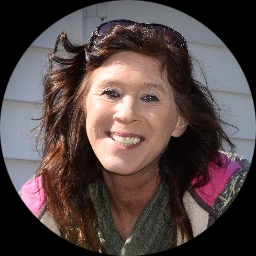
About Lorinda
Lorinda Stark is a licensed clinical social worker who helps people handle stress, anxiety, low self-esteem, and life transitions. She writes in a straightforward way and focuses on practical steps people can use. Her approach centers on listening and working alongside each person to find what helps them most.
Clients can expect a calm, nonjudgmental space to talk through worries about depression, grief, addiction, or trauma. She supports people navigating caregiver strain, aging concerns, and complicated family dynamics.
Background and approach
Sessions also address obsessive thoughts, compulsions, and challenges tied to attention differences. Her work blends goal-driven methods with an emphasis on the person’s values. That means setting small, doable tasks and checking what’s working.
She uses techniques to help with motivation, habit change, and managing anxious thoughts. Lorinda brings six years of professional experience in social work practice in Tennessee. She holds the LCSW credential, which is listed as TN LCSW.
Her background includes helping people through end-of-life concerns, hospice and bereavement, and issues veterans may face. Many clients find value in short-term strategies along with longer conversations about life purpose and relationships. She aims to meet people where they are and to adjust pace and tools to each person’s needs.
Approaches that guide online sessions
Acceptance and Commitment Therapy, often called ACT, helps people clarify what matters to them and take small steps toward those values. It is useful when anxiety, avoidance, or low motivation make daily life harder.Cognitive Behavioral Therapy, or CBT, focuses on identifying unhelpful thoughts and testing them with practical exercises. It is often used for anxiety, obsessive thoughts, and mood-related concerns.
Finding the right way to work together is part of the process. The therapist will collaborate with each person to choose techniques that match their goals, preferences, and pace. That might mean trying a few approaches and adjusting based on what helps most.
Online sessions are offered as video calls, phone sessions, live chat, or text-based messaging to fit different routines. Video is good for longer conversations and visual cues. Phone sessions can be easier when internet bandwidth is limited. Live chat and text messaging suit quick check-ins, short coaching, or people who prefer writing. These options make it easier to fit therapy into a busy life and to keep consistent progress.
Questions people ask
What kinds of concerns does she help with?
What is her therapeutic style like?
How much clinical experience does she have?
What credentials and location are listed?
Which languages are offered for sessions?
What session formats are available?
How does billing and cost work?
How do I get started with therapy?
What this therapist works with
Most often
Also listed
- Addictions
- ADHD
- Aging and geriatric issues
- Caregiver issues and stress
- Codependency
- Communication problems
- Compassion fatigue
- Control issues
- Coping with life changes
- Dependent personality
- Domestic violence
- Family conflicts
- Forgiveness
- Grief
- Guilt and shame
- Hoarding
- Hospice and end-of-life counseling
- Isolation / loneliness
- Life purpose
- Obsessions, compulsions, and OCD
- Personality disorders
- Post-traumatic stress
- Self-love
- Trauma and abuse
- Veteran and Armed Forces Issues
Therapeutic approaches
- Experience
- 6 years
- Licensed
- Tennessee
- Languages
- English
We will earn a commission if you sign up through our link, at no cost to you.