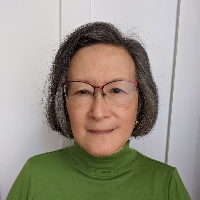
About Lillian
Lillian Tsai is a licensed clinical social worker who helps people manage anxiety and everyday stress. She brings 20 years of experience and a calm, practical approach. She speaks English and Mandarin and works with people from New York as well as international clients.
Her sessions focus on what matters now - coping with anxiety, depression, grief, trauma, and life transitions. She listens first, then uses clear, goal-focused techniques to reduce symptoms and improve day-to-day functioning.
Background and approach
Therapy plans are shaped around each person’s needs and strengths. Tsai draws from client-centered work to build trust and from cognitive behavioral methods to tackle unhelpful thinking. She also uses emotionally focused and solution-focused ideas to strengthen emotional awareness and create doable steps forward.
These approaches are chosen to match practical goals, such as sleeping better, reducing panic, or handling a difficult relationship. People who meet with her can expect straightforward, respectful conversations and homework that feels doable. She has worked across hospitals, victim services, and child welfare settings, which informs a flexible way of responding to trauma and crisis.
Her style aims to be steady and oriented toward change. Sessions are offered by video, phone, live chat, or text messaging. To begin, a simple matching process pairs needs with scheduling options, and the therapist and client then set goals together.
How Lillian Uses Practical Therapies Online
Client-centered therapy starts by listening and following the person’s lead. The therapist focuses on understanding your perspective and building on your strengths to set goals that feel meaningful.Cognitive behavioral therapy helps identify thought patterns that increase anxiety and stress. It includes simple exercises and homework to test new ways of thinking and coping, which can reduce symptoms over weeks to months.
Emotionally-focused ideas help people name and sit with strong feelings so they can respond rather than react. This can be useful for grief, relationship concerns, and processing trauma responses.
Choosing an approach is collaborative. The therapist will talk through your goals, try methods that fit your needs, and adjust techniques as you go. Finding the best fit is part of the work rather than a one-time decision.
Online sessions are offered by video, phone, live chat, or text-based messaging to make scheduling easier. Video calls allow face-to-face conversation, phone sessions can work when bandwidth is limited, live chat is good for brief check-ins, and messaging supports ongoing thought tracking between meetings. These options aim to make therapy more flexible and easier to fit into busy lives.
Questions people ask
What concerns does Lillian address?
What is her approach in sessions?
How much clinical experience does she have?
What credentials and location are listed?
Which languages are offered for sessions?
What session formats are available?
How is cost handled?
How do I begin working with her?
What this therapist works with
Most often
Also listed
- Abandonment
- Aging and geriatric issues
- Cancer
- Career difficulties
- Caregiver issues and stress
- Codependency
- Compassion fatigue
- Coping with life changes
- Depression
- Domestic violence
- Emptiness
- Family conflicts
- Guilt and shame
- Hospice and end-of-life counseling
- Isolation / loneliness
- LGBT
- Midlife crisis
- Post-traumatic stress
- Postpartum depression
- Relationship issues
- Self esteem
- Sexual assault and abuse
- Social anxiety and phobia
Therapeutic approaches
- Experience
- 20 years
- Licensed
- New York
- Languages
- English, Mandarin
We will earn a commission if you sign up through our link, at no cost to you.