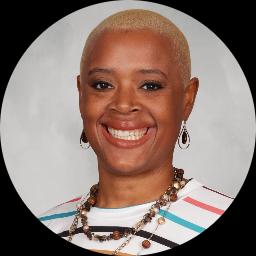
About LaTonyia
LaTonyia Fleming, LPC, helps people who are feeling overwhelmed by stress and anxiety find steadier footing. She keeps sessions straightforward and focused on the goals each person brings. LaTonyia speaks in everyday terms and works to make therapy a practical part of daily life.
She uses a mix of approaches to match what a person needs. Cognitive Behavioral Therapy (CBT) helps identify unhelpful thoughts and replace them with clearer thinking.
Background and approach
Acceptance and Commitment Therapy (ACT) encourages people to notice difficult feelings and still move toward a meaningful life. Attachment-based ideas guide conversations about how past relationships shape current patterns. Client-centered techniques make sure the person's experience sets the pace and focus of work in the room.
Existential questions come up when someone is trying to find purpose or navigate a life transition. LaTonyia draws on six years of clinical experience and holds a Licensed Professional Counselor credential. She practices in Texas and works with concerns such as relationships, self-esteem, depression, coping with life changes, and body image among others.
Sessions aim to build concrete skills - better communication, coping tools, and clearer decision making. She encourages small, realistic steps that fit into daily routines. The tone is warm, direct, and collaborative throughout.
How therapy approaches translate to online care
LaTonyia often uses Cognitive Behavioral Therapy to help people spot unhelpful thoughts and test new behaviors. CBT is useful for anxiety, low mood, and everyday stress because it focuses on clear steps and homework between sessions.She also draws from Acceptance and Commitment Therapy which teaches noticing emotions without getting stuck in them, and choosing actions that match personal values. That approach can help with worry, avoiding difficult feelings, and moving toward meaningful goals.
Finding the right approach is part of the work together. The therapist and client discuss what’s most helpful and adjust methods based on goals, comfort, and progress. That collaborative process helps tailor sessions to each person.
Online formats include video calls, phone sessions, live chat, and text-based messaging. Video is good for face-to-face conversation and guided exercises. Phone sessions can be a solid option when bandwidth is limited or to fit a break during a busy day. Live chat and messaging suit quick check-ins, brief coaching, or people who prefer writing over speaking. These options make it easier to keep therapy consistent while fitting into everyday life.
Questions people ask
What kinds of concerns does she help with?
What is her general therapy style?
How long has she practiced?
What credential and location are listed?
Which languages are supported for sessions?
What session formats are available?
How are sessions paid for and what do they cost?
How do I begin working with her?
What this therapist works with
Most often
- Stress, Anxiety
- Relationship issues
- Self esteem
Also listed
- Attachment issues
- Body image
- Codependency
- Communication problems
- Coping with life changes
- Depression
- Divorce and separation
- Eating and food-related issues
- Emptiness
- Family problems
- Forgiveness
- Guilt and shame
- Impulsivity
- Isolation / loneliness
- Life purpose
- Midlife crisis
- Money and financial issues
- Panic disorder and panic attacks
- Post-traumatic stress
- Prejudice and discrimination
- Self-harm
- Self-love
- Sexuality
- Social anxiety and phobia
- Women's issues
- Workplace issues
Therapeutic approaches
- Experience
- 6 years
- Licensed
- Texas
- Languages
- English
We will earn a commission if you sign up through our link, at no cost to you.